
As an Amazon Associate, I earn from qualifying purchases. This means I may earn a commission if you purchase through links on this page, at no extra cost to you.
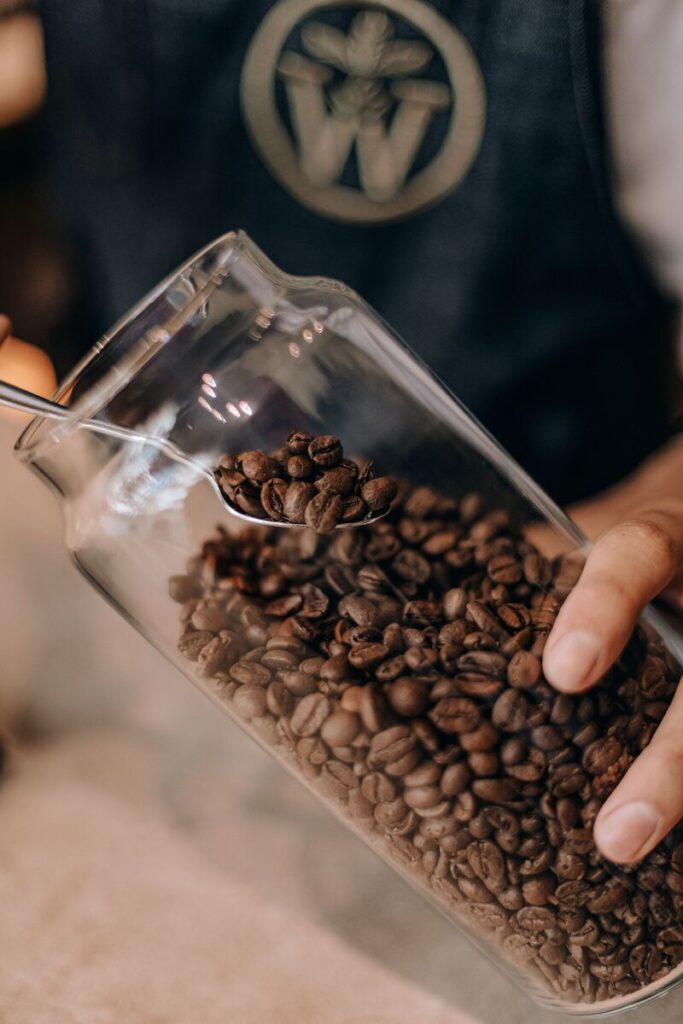
Coffee lovers spend a lot of time choosing the perfect coffee beans, coffee maker, and brewing method. However, many people overlook one critical factor that directly affects coffee quality: proper storage. Learning How to Store Coffee Beans Properly can make a significant difference in the taste, aroma, and freshness of your daily cup of coffee.
Even premium coffee beans can lose their flavor if they are exposed to air, moisture, heat, or sunlight. Understanding How to Store Coffee Beans Properly helps preserve the natural oils, aroma compounds, and flavors that make coffee enjoyable.
Whether you use a drip coffee maker, French Press, espresso machine, or pour-over setup, proper bean storage is essential for achieving the best results.
Why Coffee Bean Storage Matters
Fresh coffee beans contain hundreds of aromatic compounds that contribute to flavor and aroma. Once coffee beans are roasted, they begin to lose freshness over time.
Exposure to oxygen causes oxidation, which gradually reduces the quality of the beans. Heat, moisture, and light can speed up this process even further.
This is why understanding How to Store Coffee Beans Properly is just as important as choosing high-quality coffee beans.
Many people wonder why their homemade coffee suddenly tastes flat or bitter. In many cases, improper storage is the real reason.
👉 Why Homemade Coffee Tastes Bad
What Happens When Coffee Beans Go Stale?
Coffee beans do not spoil like milk or fresh food, but they gradually become stale.
When coffee beans are exposed to oxygen, the natural oils and aromatic compounds begin to break down. As a result:
- Flavor becomes weaker
- Aroma decreases
- Coffee tastes dull
- Sweet notes disappear
- Bitterness may increase
Freshly roasted beans provide the best coffee experience, while stale beans often produce disappointing results regardless of the brewing method used.
Learning How to Store Coffee Beans Properly helps slow down this natural aging process and keeps your coffee tasting fresh for longer.
How to Store Coffee Beans Properly
The most effective way to store coffee beans is surprisingly simple.
1. Use an Airtight Container
Air is one of the biggest enemies of fresh coffee beans.
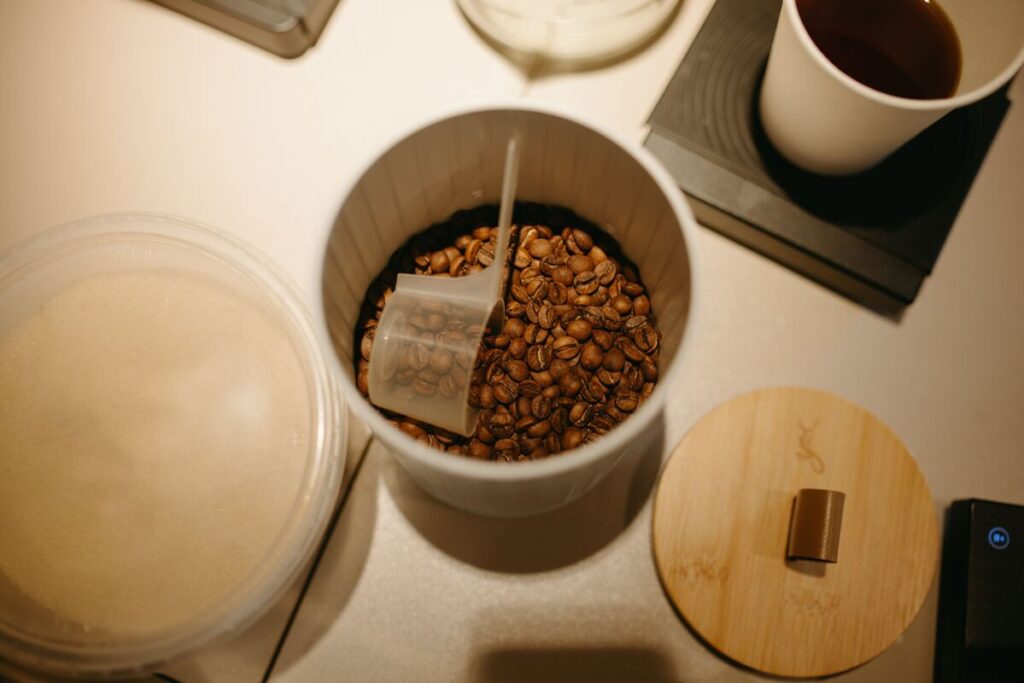
Store beans in a high-quality airtight container to reduce oxygen exposure. Containers made from stainless steel, ceramic, or opaque plastic work well.
Benefits include:
- Better flavor preservation
- Reduced oxidation
- Longer freshness
Avoid leaving coffee beans in open bags for extended periods.
2. Keep Coffee Beans Away from Light
Sunlight and strong indoor lighting can degrade coffee quality over time.
Store coffee beans in:
- Dark cabinets
- Pantry shelves
- Opaque containers
Avoid placing coffee beans near windows or other sources of direct sunlight.
3. Avoid Heat Exposure
Heat accelerates the breakdown of coffee oils and aromatic compounds.
Do not store coffee beans:
- Near ovens
- On kitchen countertops exposed to sunlight
- Close to stoves
- Near microwaves
A cool and stable environment is ideal.
One of the most important rules of How to Store Coffee Beans Properly is maintaining a consistent temperature.
4. Protect Coffee Beans from Moisture
Moisture can quickly damage coffee beans and affect flavor.
Keep beans away from:
- Refrigerators with frequent opening
- Humid kitchen areas
- Wet surfaces
Coffee beans absorb moisture easily, which can negatively impact brewing quality.
The Best Place to Store Coffee Beans
Many coffee experts recommend storing coffee beans in a pantry or kitchen cabinet.
The ideal storage location should be:
- Cool
- Dry
- Dark
- Stable in temperature
A dedicated cupboard away from heat-producing appliances is often the best choice.
When considering How to Store Coffee Beans Properly, location matters almost as much as the storage container itself.
Whole Beans vs Ground Coffee Storage
Whole coffee beans stay fresh much longer than pre-ground coffee.
Why?
Grinding exposes a larger surface area to oxygen, causing coffee to lose freshness faster.
Whole Coffee Beans
Advantages:
- Longer freshness
- Better flavor retention
- More aroma
Ground Coffee
Advantages:
- Convenience
- Faster preparation
If possible, purchase whole beans and grind them shortly before brewing.
👉 Different Coffee Brewing Methods
Choosing the Right Coffee Bean Container
Not all containers are equally effective.
Recommended Containers
✔ Stainless steel coffee canisters
✔ Ceramic containers with airtight seals
✔ Opaque vacuum-sealed containers
✔ Coffee storage canisters with one-way valves
Containers to Avoid
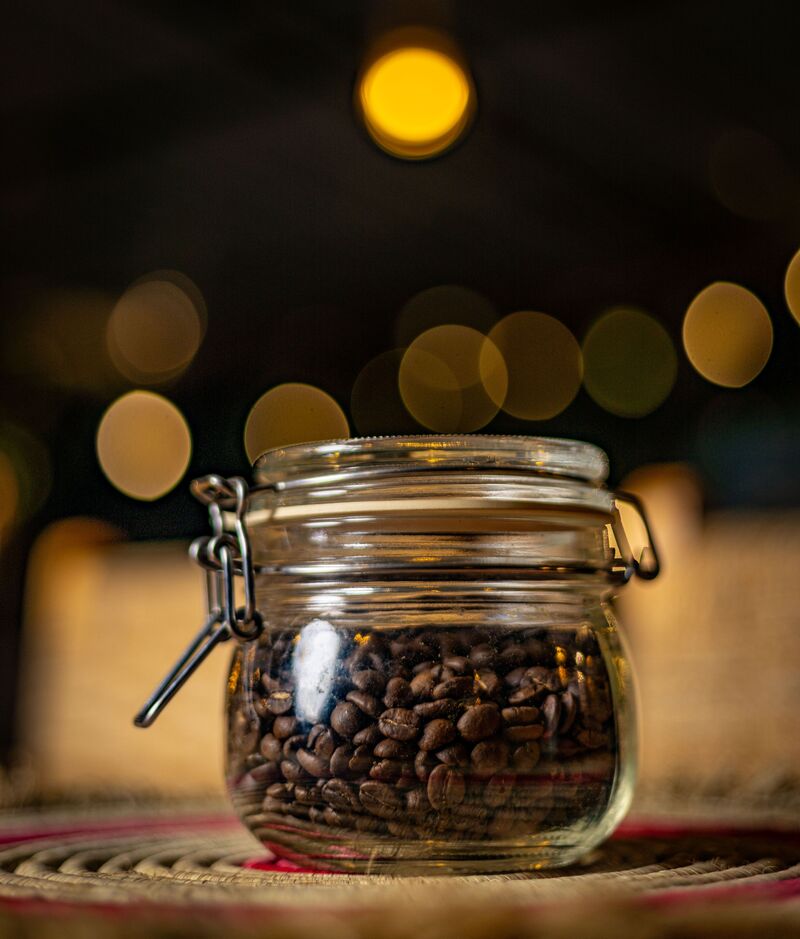
✘ Clear glass jars exposed to sunlight
✘ Thin plastic bags
✘ Open containers
✘ Containers without airtight lids
[Image Placement]
File Name: airtight-coffee-bean-container.jpg
Alt Text: Best airtight container for storing coffee beans
Does Coffee Bean Type Affect Storage?
The storage principles remain the same regardless of whether you use Arabica or Robusta beans.
However, premium specialty beans often contain more delicate flavor notes that can fade quickly if stored incorrectly.
For this reason, coffee enthusiasts who buy high-quality beans should pay extra attention to proper storage methods.
Common Coffee Storage Mistakes
Many coffee drinkers unknowingly reduce coffee quality through poor storage habits.
Some common mistakes include:
Keeping Beans in Original Open Bags
Many coffee bags are not designed for long-term storage once opened.
Using Transparent Containers
Light exposure gradually affects flavor and aroma.
Buying Too Much Coffee
Fresh coffee is always best. Purchasing excessive quantities can result in stale beans before they are fully consumed.
Storing Near Heat Sources
Heat speeds up flavor degradation.
Understanding these mistakes is an important part of learning How to Store Coffee Beans Properly and maintaining max
Should You Refrigerate Coffee Beans?
One of the most common questions about How to Store Coffee Beans Properly is whether coffee beans should be stored in the refrigerator.
In most situations, the answer is no.
Coffee beans are highly porous, which means they can absorb odors and moisture from other foods stored in the refrigerator. This can negatively affect the flavor and aroma of your coffee.
Why Refrigeration Is Not Recommended
- Moisture can enter the beans.
- Beans may absorb food odors.
- Frequent temperature changes can create condensation.
- Flavor quality may decline over time.
For daily use, a cool, dry pantry is usually a much better storage location than a refrigerator.
Should You Freeze Coffee Beans?
Freezing coffee beans is a more controversial topic.
Some coffee experts recommend freezing beans only if you plan to store them for an extended period and will not open the container frequently.
When Freezing Can Work
- Long-term storage
- Bulk coffee purchases
- Proper airtight packaging
When Freezing Can Cause Problems
- Frequent opening and closing
- Poor packaging
- Moisture exposure
If you decide to freeze coffee beans, divide them into small portions and store each portion in an airtight container or vacuum-sealed bag. This helps minimize exposure to air and moisture.
For most coffee drinkers, freezing is unnecessary if beans are consumed within a few weeks.
How Long Do Coffee Beans Stay Fresh?
Freshness depends on the roast date, storage conditions, and whether the beans are whole or ground.
Whole Coffee Beans
Typical freshness period:
- Best flavor: 2–4 weeks after opening
- Good quality: Up to 2 months with proper storage
Ground Coffee
Typical freshness period:
- Best flavor: 1–2 weeks after opening
This is another reason why many coffee enthusiasts prefer buying whole beans and grinding them just before brewing.
Learning How to Store Coffee Beans Properly helps maximize freshness and ensures you get the most value from every bag of coffee.
Coffee Storage Tips for Maximum Freshness
Here are some practical tips that can improve coffee quality immediately.
Buy Smaller Quantities
Instead of purchasing several months’ worth of coffee, buy smaller amounts more frequently.
Keep Containers Sealed
Open the container only when necessary and close it immediately afterward.
Label Roast Dates
If possible, note the roast date so you can monitor freshness.
Use Quality Storage Containers
Investing in a good coffee storage canister is often more valuable than many people realize.
Grind Only What You Need
Grinding coffee immediately before brewing preserves aroma and flavor.
These simple habits make a noticeable difference in the quality of your daily coffee.
Signs Your Coffee Beans Have Gone Bad
Coffee beans may not become unsafe to drink, but they can lose the characteristics that make coffee enjoyable.
Common Signs of Stale Coffee Beans
- Weak aroma
- Flat flavor
- Lack of sweetness
- Excessive bitterness
- Dull appearance
Fresh beans typically have a pleasant aroma and produce a more flavorful cup of coffee.
If your coffee tastes disappointing despite using a good coffee maker, stale beans could be the reason.
👉 How to Clean a Coffee Maker Properly at Home
Does Proper Storage Improve Brewing Results?
Absolutely.
No matter which brewing method you use, fresh coffee beans generally produce better results.
Whether you prefer:
- Drip Coffee
- French Press
- Espresso
- AeroPress
- Cold Brew
proper storage helps maintain the qualities that make each brewing method shine.
Coffee brewing and coffee storage go hand in hand. Even the best brewing technique cannot fully compensate for stale coffee beans.
Frequently Asked Questions
What is the best container for storing coffee beans?
An airtight stainless steel or ceramic container is generally considered one of the best options for preserving freshness.
Can I store coffee beans in the refrigerator?
Most coffee experts do not recommend refrigeration because coffee beans can absorb moisture and odors from surrounding foods.
How long do coffee beans stay fresh after opening?
Whole coffee beans usually maintain their best flavor for approximately 2–4 weeks after opening when stored properly.
Should coffee beans be frozen?
Freezing can work for long-term storage if beans are sealed properly and not exposed to repeated temperature changes.
Is it better to buy whole beans or ground coffee?
Whole beans generally stay fresh longer and provide better flavor when freshly ground before brewing.
Final Thoughts
Learning How to Store Coffee Beans Properly is one of the simplest ways to improve your coffee experience at home. Fresh coffee beans contain delicate flavors and aromas that can quickly fade when exposed to air, moisture, heat, and light.
By using an airtight container, choosing a cool and dry storage location, avoiding unnecessary refrigeration, and purchasing coffee in reasonable quantities, you can significantly extend the freshness of your beans.
Whether you enjoy Arabica coffee, Robusta coffee, espresso, drip coffee, or French Press brewing, proper storage helps you get the best possible flavor from every cup.
Understanding How to Store Coffee Beans Properly is not just about preserving coffee—it is about protecting the quality, aroma, and enjoyment that make coffee such a beloved beverage around the world.
👉 Affordable Coffee Machine for Home in India
👉 Different Coffee Brewing Methods
External Resources
For additional information about coffee beans and coffee production:
4 thoughts on “How to Store Coffee Beans Properly: 10 Simple Tips for Maximum Freshness (2026)”