

As an Amazon Associate, I earn from qualifying purchases. This means I may earn a commission if you purchase through links on this page, at no extra cost to you.
A great cup of coffee isn’t just about buying premium coffee beans or using an expensive coffee maker. One of the most important factors that determines how your coffee tastes is the balance between coffee and water. Even the best beans can produce disappointing results if the measurements are incorrect.
This Coffee to Water Ratio Guide will help you understand how much coffee and water you should use for different brewing methods, why the correct ratio matters, and how small adjustments can improve the flavor of your coffee at home.
Whether you brew coffee with a drip coffee maker, French Press, espresso machine, or pour-over setup, using the right coffee-to-water ratio is the easiest way to achieve consistent and delicious results.
This Coffee to Water Ratio Guide is designed to help beginners and experienced coffee lovers brew consistently delicious coffee. By following the right measurements, you can improve flavor, aroma, and overall coffee quality without buying expensive equipment.
Why the Coffee-to-Water Ratio Matters
Every cup of coffee is created through extraction, where water dissolves the natural oils, sugars, acids, and aromatic compounds found in roasted coffee beans.
When too much water is used, the coffee may taste weak, watery, and lacking in flavor.
When too little water is used, the coffee can become overly strong, bitter, and difficult to enjoy.
Finding the correct balance allows you to enjoy:
- Balanced sweetness
- Rich aroma
- Pleasant acidity
- Smooth body
- Consistent flavor
Many people blame their coffee maker or coffee beans when the real problem is simply an incorrect coffee-to-water ratio.
What Is the Golden Coffee Ratio?
Coffee professionals often refer to the Golden Ratio, a general guideline for brewing balanced coffee.
For most brewing methods, the recommended ratio is:
- 1 gram of coffee for every 15 to 18 grams (or millilitres) of water
This doesn’t mean every brewing method uses exactly the same measurement, but it provides an excellent starting point for beginners.
If you prefer a stronger cup, use slightly more coffee. If you enjoy a lighter cup, increase the amount of water while keeping the brewing method the same.
One of the biggest benefits of using a Coffee to Water Ratio Guide is consistency. Once you find the ratio that matches your taste, you can easily recreate the same great cup of coffee every day.
Standard Coffee Measurements
If you don’t own a digital kitchen scale, you can still brew excellent coffee using simple measurements.
As a general guide:
| Coffee | Water | Strength |
|---|---|---|
| 15 g | 250 ml | Regular |
| 18 g | 250 ml | Strong |
| 30 g | 500 ml | Medium |
| 60 g | 1 litre | Standard brew |
Using consistent measurements helps you recreate the same great cup every morning.
Coffee to Water Ratio Guide for Drip Coffee
Drip coffee makers are one of the most popular brewing methods because they are simple and reliable.
A good starting point is:
- 15–16 grams of coffee for every 250 ml of water
This ratio usually produces a smooth, balanced cup with pleasant sweetness and a clean finish.
If your coffee tastes weak, increase the coffee slightly rather than reducing the water too much.
👉 How to Grind Coffee Beans Correctly
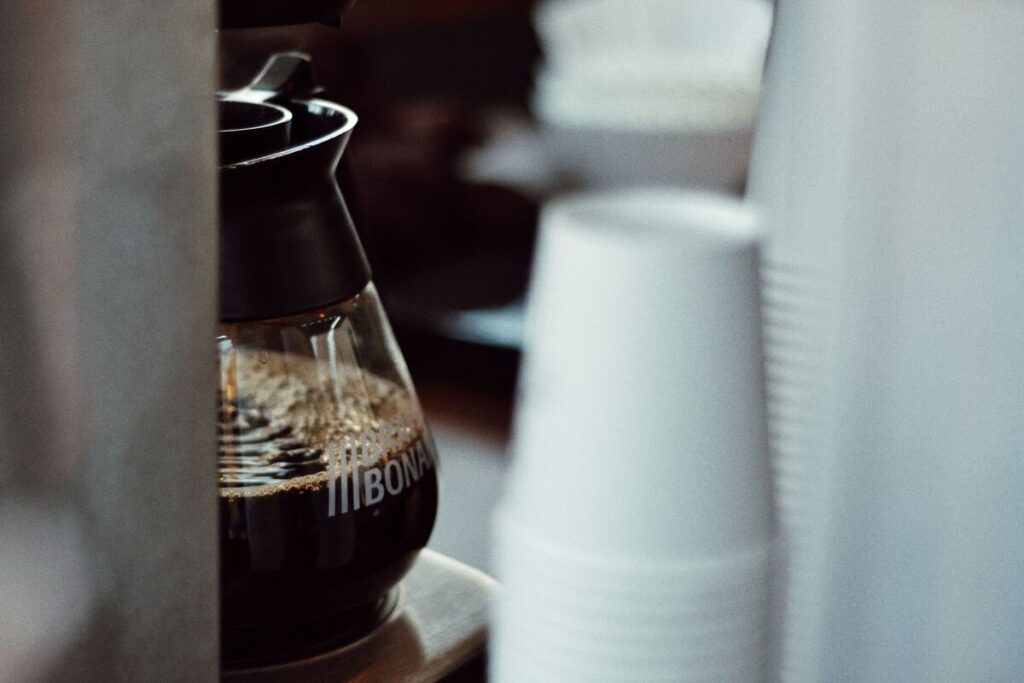
Check Coffee Measuring Scoops & drip coffee makers on Amazon
Following a reliable Coffee to Water Ratio Guide is especially important for drip coffee makers because even small changes in the amount of coffee or water can noticeably affect the final taste.
Best Coffee-to-Water Ratio for Pour-Over Coffee
Pour-over brewing gives you complete control over the brewing process, making the coffee-to-water ratio especially important.
A common recommendation is:
- 1:16 ratio
For example:
- 20 g coffee
- 320 ml water
This ratio highlights the natural sweetness and delicate flavours of the coffee while maintaining excellent clarity in the cup.
Small adjustments can be made depending on the roast level and your personal taste preferences.
👉 Different Coffee Brewing Methods
Coffee to Water Ratio Guide for French Press
French Press brewing uses full immersion, allowing coffee grounds to remain in contact with water for several minutes.
A good starting ratio is:
- 1:15 ratio
For example:
- 20 g coffee
- 300 ml water
This produces a rich, full-bodied cup with a smooth mouthfeel.
Using a coarse grind together with the correct ratio helps prevent over-extraction and unwanted bitterness.
👉 Coffee Beans vs Ground Coffee
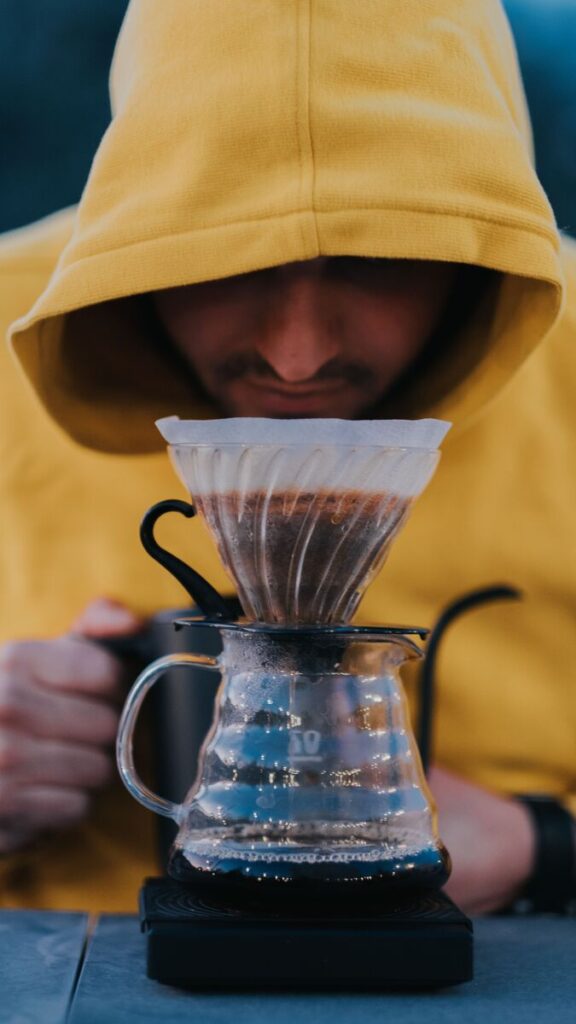
A practical Coffee to Water Ratio Guide helps you understand that different brewing methods require slightly different measurements. Using the correct ratio prevents coffee from tasting either too weak or too bitter.
Every brewing method benefits from following a reliable Coffee to Water Ratio Guide. Even small adjustments to the amount of coffee or water can change the strength, aroma, and overall taste of your coffee.
Coffee to Water Ratio Guide for Espresso
Espresso is very different from other brewing methods because it uses high pressure and a short extraction time. As a result, the coffee-to-water ratio is much lower.
A common espresso ratio is:
- 1:2 ratio
Example:
- 18 g coffee
- 36 g espresso
This ratio creates a rich, concentrated shot with balanced sweetness, pleasant acidity, and a smooth finish.
If your espresso tastes too bitter, try using a slightly coarser grind or reducing the extraction time. If it tastes sour, a finer grind or a slightly longer extraction may help.
Every coffee enthusiast should bookmark a Coffee to Water Ratio Guide because it provides a simple reference for preparing espresso, pour-over, French Press, and cold brew with confidence.
Best Coffee-to-Water Ratio for Cold Brew
Cold brew coffee is prepared by steeping coffee grounds in cold water for several hours.
A popular starting ratio is:
- 1:8 for a ready-to-drink cold brew
- 1:4 for a cold brew concentrate
Example (Ready to Drink):
- 100 g coffee
- 800 ml water
Example (Concentrate):
- 100 g coffee
- 400 ml water
After brewing a concentrate, you can dilute it with water or milk according to your taste.
How Grind Size Affects the Coffee-to-Water Ratio
Although this Coffee to Water Ratio Guide focuses on measurements, grind size also plays an important role.
For example:
- Fine grind → Espresso
- Medium grind → Drip coffee
- Medium-fine grind → Pour-over
- Coarse grind → French Press
- Extra coarse grind → Cold Brew
Even with the perfect ratio, using the wrong grind size can produce coffee that tastes bitter, weak, or sour.
👉 How to Grind Coffee Beans Correctly
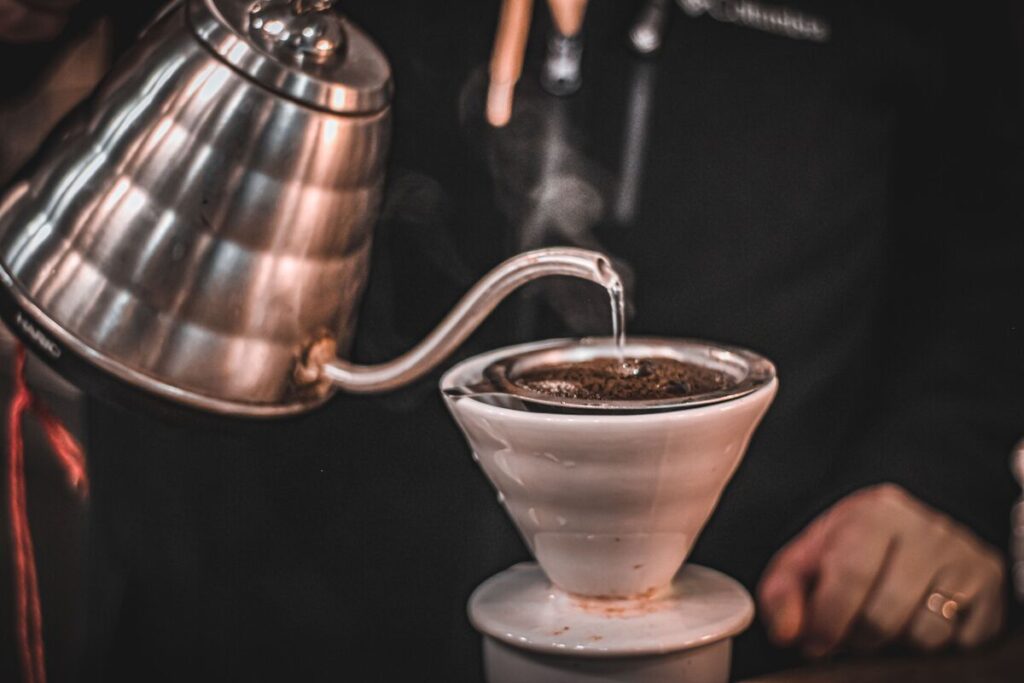
Water Temperature Matters Too
Using the correct ratio is only one part of brewing great coffee. Water temperature also affects extraction.
Most brewing methods work best between 90°C and 96°C (195°F–205°F).
Water that is too hot may over-extract the coffee and create bitterness.
Water that is too cool may under-extract the coffee, leaving it weak and sour.
Combining the correct temperature with the right coffee-to-water ratio produces the most balanced cup.
👉 Coffee Brewing Temperature Guide
Common Coffee Measuring Mistakes
Many people unknowingly make small mistakes that affect the taste of their coffee.
Guessing Measurements
Instead of estimating, use a measuring scoop or digital scale for consistent results.
Using Different Scoops Every Time
Changing the amount of coffee each day leads to inconsistent flavor.
Ignoring Brew Strength
If your coffee is too strong or too weak, adjust the ratio gradually rather than making large changes.
Forgetting Freshness
Fresh coffee beans always deliver better flavor than stale coffee.
👉 How to Store Coffee Beans Properly
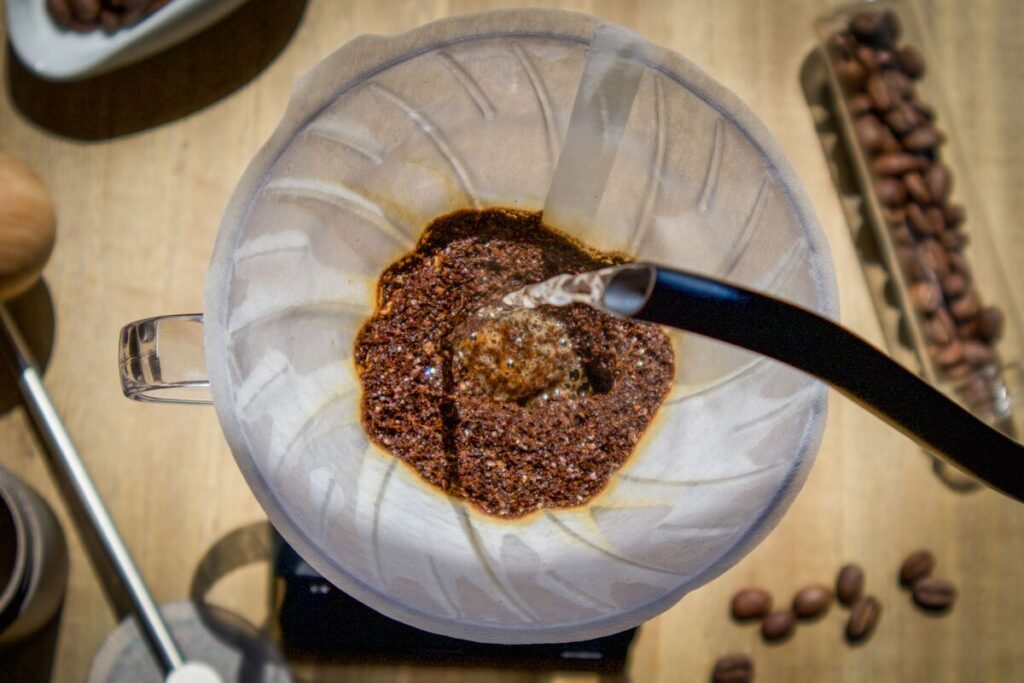
Tips for Consistently Great Coffee
Follow these simple tips to get the best results every time:
- Measure both coffee and water accurately.
- Grind coffee just before brewing whenever possible.
- Use filtered water for better flavor.
- Keep your coffee equipment clean.
- Store coffee beans in an airtight container.
- Adjust the ratio based on your personal taste instead of guessing.
Small improvements in your brewing routine can make a noticeable difference.
Remember that this Coffee to Water Ratio Guide offers a starting point rather than strict rules. Feel free to make small adjustments based on your preferred coffee strength and the type of beans you use.
A well-planned Coffee to Water Ratio Guide helps eliminate guesswork during brewing. By measuring both coffee and water accurately, you can achieve balanced extraction and enjoy better coffee every day.
Frequently Asked Questions
What is the ideal coffee-to-water ratio?
For most brewing methods, a ratio between 1:15 and 1:17 provides balanced flavor.
Can I make stronger coffee without changing the ratio?
Yes. You can slightly increase the amount of coffee while keeping the brewing method consistent, but avoid extreme changes.
Is a digital scale necessary?
A digital scale is the most accurate option, but a consistent measuring scoop can also produce excellent results.
Does every coffee maker use the same ratio?
No. Drip coffee makers, French Press, espresso machines, pour-over brewers, and cold brew all have slightly different recommended ratios.
Conclusion
Using the correct measurements is one of the easiest ways to improve your coffee at home. This Coffee to Water Ratio Guide shows that even small adjustments to the amount of coffee or water can significantly change the flavor, aroma, and strength of your brew.
Start with the recommended ratios for your brewing method, then make small adjustments based on your personal preference. Combined with freshly ground coffee, quality beans, proper storage, and the right water temperature, the correct ratio will help you brew consistently delicious coffee every day.
Whether you are a beginner or an experienced coffee enthusiast, mastering your coffee-to-water ratio is a simple habit that delivers better results with every cup.
Whether you are preparing your first cup or refining your brewing skills, this Coffee to Water Ratio Guide will help you make balanced, flavorful coffee at home. Consistent measurements, fresh coffee, and proper brewing techniques are the foundation of every excellent cup.
View Best Coffee Makers on Amazon
5 thoughts on “Coffee to Water Ratio Guide: The Perfect Coffee Ratio for Every Brewing Method (2026)”