
As an Amazon Associate, I earn from qualifying purchases. This means I may earn a commission if you purchase through links on this page, at no extra cost to you.
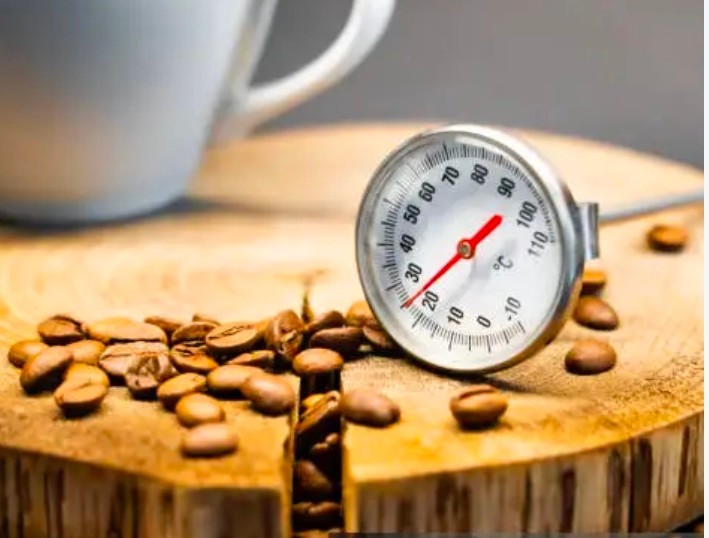
Making great coffee is not only about choosing high-quality beans or using an expensive coffee maker. One of the most overlooked factors is water temperature. Many coffee lovers spend time selecting coffee beans and brewing equipment but forget that temperature plays a major role in flavor extraction.This Coffee Brewing Temperature Guide will help you brew better coffee at home.
This Coffee Brewing Temperature Guide will help you understand why water temperature matters, how it affects coffee flavor, and what temperature range works best for different brewing methods. Whether you use a drip coffee maker, French press, espresso machine, or pour-over brewer, following the correct temperature can dramatically improve your coffee.
A small temperature difference can be the reason why one cup tastes smooth and balanced while another tastes bitter or weak. Learning the basics of this Coffee Brewing Temperature Guide will help you brew better coffee consistently.
Coffee Brewing Temperature Guide: Why Water Temperature Matters
Water acts as the extraction tool during coffee brewing. It dissolves flavor compounds, oils, acids, and sugars from the coffee grounds.
If the water temperature is incorrect, the extraction process becomes unbalanced.
The right brewing temperature helps extract:
- Natural sweetness
- Pleasant acidity
- Rich aroma
- Balanced flavor
- Smooth body
This is why professional baristas pay close attention to temperature when preparing coffee.
Many people who complain about bad-tasting coffee are actually using incorrect brewing temperatures.
Why Homemade Coffee Tastes Bad
Understanding Coffee Extraction
Before diving deeper into this Coffee Brewing Temperature Guide, it is important to understand extraction.
Extraction refers to the process of pulling flavor compounds from coffee grounds into water.
A well-extracted coffee typically tastes:
- Balanced
- Sweet
- Aromatic
- Pleasantly acidic
Poor extraction can make coffee
- Sour
- Bitter
- Weak
- Harsh
Water temperature is one of the biggest factors influencing extraction quality.
What Happens If Water Is Too Hot?
One of the most common mistakes coffee drinkers make is using boiling water directly on coffee grounds.
When water is excessively hot, it extracts undesirable compounds along with the desirable ones.
Problems Caused by Water That Is Too Hot
- Excess bitterness
- Burnt flavors
- Harsh taste
- Reduced sweetness
- Unpleasant aftertaste
Many beginners assume hotter water automatically produces stronger coffee, but this is not always true.
A key lesson from this Coffee Brewing Temperature Guide is that balance matters more than maximum heat.
What Happens If Water Is Too Cold?
Water that is too cold creates the opposite problem.
Instead of over-extracting, it under-extracts the coffee.
Problems Caused by Water That Is Too Cold
- Weak flavor
- Sour taste
- Thin body
- Lack of aroma
- Poor extraction
Coffee brewed with water that is too cool often tastes incomplete because many flavor compounds remain trapped inside the coffee grounds.
Ideal Coffee Brewing Temperature Range
Most coffee professionals agree that the ideal brewing temperature falls between:
90°C to 96°C (195°F to 205°F)
This temperature range provides the best balance between extraction efficiency and flavor quality.
Within this range, coffee typically develops
- Balanced sweetness
- Pleasant acidity
- Good body
- Strong aroma
- Smooth flavor
When following a proper Coffee Brewing Temperature Guide, this range serves as the foundation for nearly all hot coffee brewing methods.Every Coffee Brewing Temperature Guide recommends brewing between 90°C and 96°C
Best Temperature for Drip Coffee Makers
Drip coffee is one of the most popular brewing methods in homes around the world.
The recommended brewing temperature for drip coffee is:
92°C–96°C (198°F–205°F)
This range allows the coffee grounds to release flavor compounds efficiently while avoiding excessive bitterness.
Why This Temperature Works
- Consistent extraction
- Balanced flavor
- Improved sweetness
- Better aroma
Most high-quality coffee makers are designed to operate within this range.
If your drip coffee tastes weak or bitter, water temperature may be part of the problem.
Different Coffee Brewing Methods

Best Temperature for French Press Coffee
French Press brewing works slightly differently because coffee grounds remain in contact with water for a longer period.
The ideal temperature for French press coffee is
93°C–96°C (200°F–205°F)
This temperature range helps extract the rich oils and full-bodied characteristics that French Press coffee is known for.
Benefits of Proper French Press Temperature
- Richer flavor
- Better body
- More balanced extraction
- Enhanced aroma
Using water that is too cool often results in weak French Press coffee, while water that is too hot may increase bitterness.
This Coffee Brewing Temperature Guide recommends 93°C for French Press coffee.
Temperature and Coffee Bean Types
Coffee bean variety can also influence how temperature affects flavor.
For example:
Arabica Coffee
Arabica beans often contain:
- Fruity notes
- Floral aromas
- Higher acidity
Slightly lower brewing temperatures can sometimes highlight these delicate flavors.
Robusta Coffee
Robusta beans generally produce:
- Strong body
- Earthy notes
- More bitterness
Robusta often handles higher extraction levels more easily.
Understanding bean characteristics helps coffee lovers apply this Coffee Brewing Temperature Guide more effectively.
Why Fresh Coffee Beans Matter
Even the perfect brewing temperature cannot fully compensate for stale coffee beans.
Fresh beans contain more aromatic compounds and produce better flavor extraction.
Proper storage helps preserve the characteristics that temperature is trying to extract during brewing.
For this reason, temperature and freshness should always be considered together.
How to Store Coffee Beans Properly
Best Temperature for Espresso
Espresso brewing requires precision because the extraction process happens very quickly under pressure.
The recommended temperature for espresso is:
90°C–96°C (194°F–205°F)
Most modern espresso machines are designed to maintain temperatures within this range.
Why Espresso Temperature Matters
- Enhances sweetness
- Controls bitterness
- Improves crema formation
- Produces balanced extraction
If the temperature is too high, espresso can taste burnt and bitter. If it is too low, the shot may taste sour and underdeveloped.
Following the correct temperature recommendations in this Coffee Brewing Temperature Guide helps produce richer and more enjoyable espresso shots.
A good Coffee Brewing Temperature Guide also suggests keeping espresso water around 93°C.
Best Temperature for Pour-Over Coffee
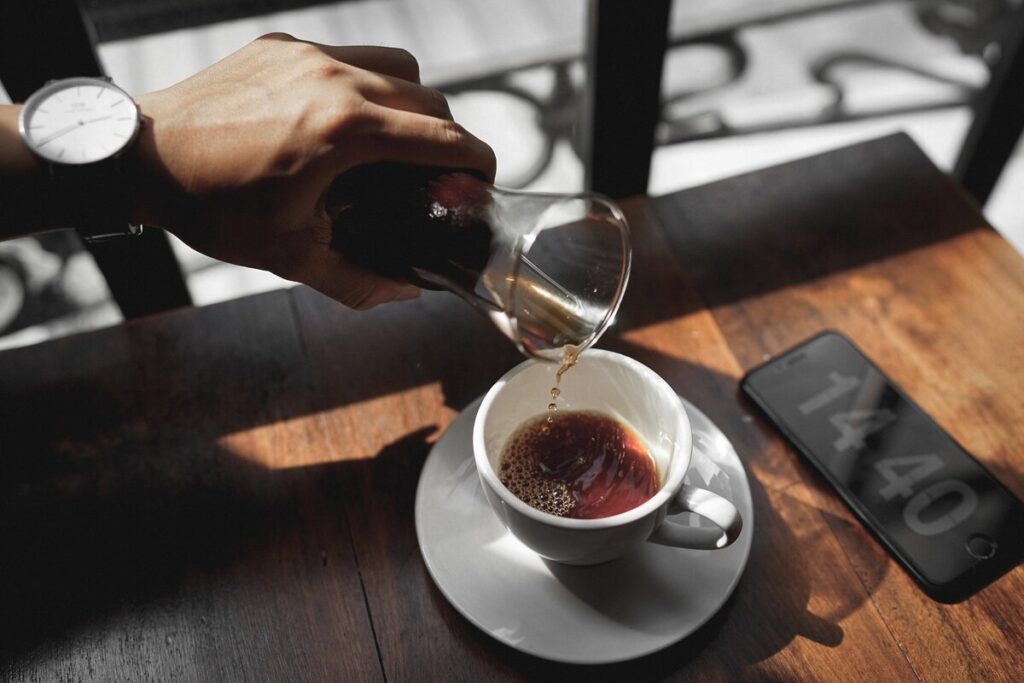
Pour-over coffee is popular among coffee enthusiasts because it allows greater control over the brewing process.
The ideal temperature for pour-over coffee is:
91°C–96°C (196°F–205°F)
This range helps highlight the delicate flavors found in specialty coffee beans.
Benefits of Proper Pour-Over Temperature
- Improved clarity
- Better flavor separation
- Enhanced sweetness
- Balanced acidity
Light-roasted coffees often perform exceptionally well when brewed within this temperature range.
Because pour-over brewing emphasizes flavor details, temperature control becomes especially important.
According to this Coffee Brewing Temperature Guide, pour-over coffee tastes best at 92–96°C.
Best Temperature for Cold Brew Coffee
Cold Brew is unique because it does not use hot water.
Instead, coffee grounds are steeped in cold or room-temperature water for an extended period.
Temperature
- Approximately 4°C–25°C
- Brewing time: 12–24 hours
Why Cold Brew Is Different
Cold water extracts coffee more slowly.
As a result:
- Acidity is lower
- Flavor is smoother
- Bitterness is reduced
- Sweetness becomes more noticeable
Cold Brew demonstrates that not every coffee method follows the same rules outlined in a traditional Coffee Brewing Temperature Guide.
How Roast Level Affects Brewing Temperature
Roast level can influence how coffee responds to temperature.
Light Roast
Light roasts often benefit from slightly higher temperatures because they are denser and more difficult to extract.
Medium Roast
Medium roasts perform well across the standard brewing range.
Dark Roast
Dark roasts are easier to extract and may sometimes taste better at slightly lower temperatures.
Understanding roast levels can help coffee lovers fine-tune their brewing process.
Common Coffee Temperature Mistakes
Many coffee drinkers unknowingly make temperature-related mistakes that affect coffee quality.
Using Boiling Water Directly
Boiling water can over-extract coffee and create excessive bitterness.
Ignoring Brewing Method Requirements
Different brewing methods require different temperature ranges.
Not Preheating Equipment
Cold brewing equipment can lower water temperature unexpectedly.
Using Inconsistent Water Temperature
Consistency is important for repeatable results.
Blaming Coffee Beans
Sometimes the real issue is incorrect brewing temperature rather than poor-quality coffee beans.
Avoiding these mistakes can dramatically improve the results you get from your favorite coffee.
Following a Coffee Brewing Temperature Guide helps avoid these mistakes.
Simple Temperature Tips for Better Coffee
If you do not own a thermometer, these practical tips can help.
For Freshly Boiled Water
Allow water to sit for approximately 30–60 seconds after boiling before brewing.
For Drip Coffee Makers
Choose machines that are designed to maintain proper brewing temperatures.
For French Press
Preheat the French press with hot water before brewing.
For Pour-Over
Use a temperature-controlled kettle if possible.
Small improvements in temperature management often lead to noticeable improvements in coffee flavor.
Frequently Asked Questions
What does a Coffee Brewing Temperature Guide recommend?
Most coffee experts recommend brewing coffee between 90°C and 96°C (195°F–205°F).
Can water that is too hot ruin coffee?
Yes. Excessively hot water can over-extract coffee and create bitter or burnt flavors.
Why does my coffee taste sour?
Sour coffee is often caused by under-extraction, which can occur when the water temperature is too low.
Is boiling water good for coffee?
Directly pouring boiling water onto coffee grounds is generally not recommended because it may cause over-extraction.
Does brewing temperature affect caffeine?
Temperature can influence extraction efficiency, but caffeine content is affected more by brewing method, coffee-to-water ratio, and bean type.
Why the Right Temperature Creates Better Coffee
A proper Coffee Brewing Temperature Guide is valuable because temperature affects nearly every aspect of coffee flavor.
Correct brewing temperatures help create the following:
- Better sweetness
- Balanced acidity
- Rich aroma
- Smooth body
- Pleasant aftertaste
When temperature is controlled properly, coffee becomes more consistent and enjoyable.
This is one of the easiest ways to improve coffee quality without purchasing expensive equipment.
Conclusion
Understanding and applying a Coffee Brewing Temperature Guide can significantly improve your coffee experience. While coffee beans, grind size, and brewing method are all important, temperature plays a critical role in extracting the flavors that make coffee enjoyable.
Most hot brewing methods perform best between 90°C and 96°C, while cold brew relies on a completely different approach using cool water and extended extraction times. By selecting the correct temperature for your preferred brewing method, you can achieve better balance, sweetness, aroma, and overall flavor.
Whether you brew drip coffee, French press, espresso, pour-over, or cold brew, paying attention to water temperature is one of the simplest ways to make consistently better coffee at home.
If you’re still struggling with coffee quality, reviewing your brewing method, roast level, bean freshness, and temperature settings can often solve the problem.
We hope this Coffee Brewing Temperature Guide helps you make perfect coffee every day.
External Resources
For additional information about coffee preparation and coffee science:
3 thoughts on “Coffee Brewing Temperature Guide: The Best Water Temperature for Perfect Coffee (2026)”