
As an Amazon Associate, I earn from qualifying purchases. This means I may earn a commission if you purchase through links on this page, at no extra cost to you.
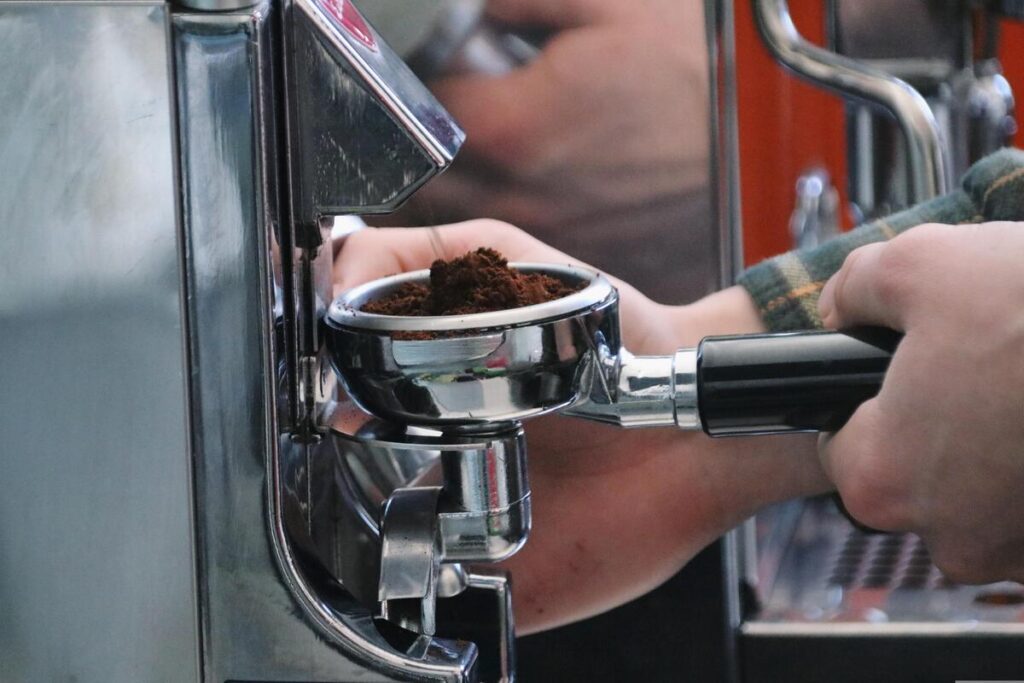
Coffee lovers often focus on buying high-quality coffee beans, choosing the right coffee maker, or finding the perfect brewing method. However, one crucial step is frequently overlooked: grinding. Learning How to Grind Coffee Beans Correctly can significantly improve the flavor, aroma, and overall quality of your coffee.
Even premium coffee beans can produce disappointing results if they are ground incorrectly. The size and consistency of coffee grounds directly affect extraction, which ultimately determines how your coffee tastes.
Whether you use a drip coffee maker, French Press, espresso machine, or pour-over setup, understanding How to Grind Coffee Beans Correctly is an essential skill for brewing better coffee at home.
Why Coffee Grinding Matters
Many people underestimate the importance of grinding coffee beans. However, grind size plays a major role in the brewing process.
When coffee grounds are too coarse or too fine, water cannot extract flavors properly. This can lead to coffee that tastes:
- Bitter
- Sour
- Weak
- Harsh
- Unbalanced
The goal of learning How to Grind Coffee Beans Correctly is to create the ideal grind size for your chosen brewing method.
Proper grinding helps ensure:
- Better extraction
- Balanced flavor
- Improved aroma
- Consistent results
If your homemade coffee never tastes as good as coffee from a café, incorrect grind size could be one of the reasons.
Why Homemade Coffee Tastes Bad
Understanding Coffee Extraction
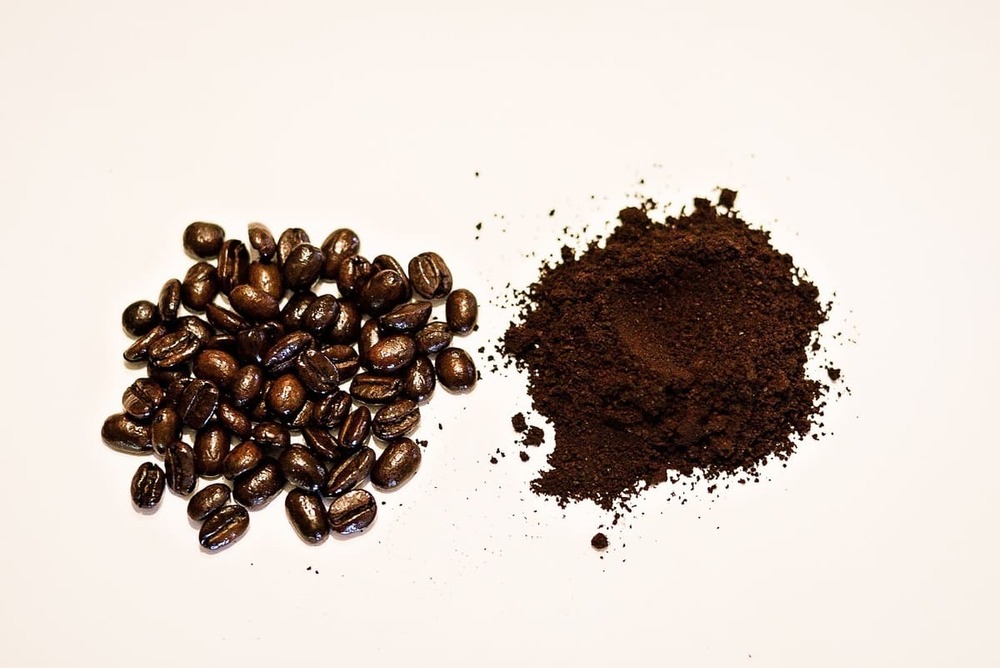
Before mastering How to Grind Coffee Beans Correctly, it is important to understand extraction.
Extraction occurs when water dissolves flavor compounds from coffee grounds.
A balanced extraction typically produces:
- Sweetness
- Pleasant acidity
- Rich aroma
- Smooth body
An unbalanced extraction may result in:
Under-Extraction
- Sour taste
- Weak flavor
- Thin body
Over-Extraction
- Excess bitterness
- Harsh flavors
- Dry aftertaste
Grind size is one of the most important factors influencing extraction quality.
Whole Beans vs Ground Coffee
Many beginners wonder whether they should buy whole coffee beans or pre-ground coffee.
Whole Coffee Beans
Advantages:
- Longer freshness
- Better aroma
- More flavor retention
- Greater brewing flexibility
Pre-Ground Coffee
Advantages:
- Convenience
- Faster preparation
However, coffee begins losing freshness shortly after grinding. This is why many coffee enthusiasts recommend buying whole beans whenever possible.
Fresh grinding allows you to experience the full benefits of How to Grind Coffee Beans Correctly.
Types of Coffee Grinders
Choosing the right grinder is just as important as choosing the right coffee beans.
The two most common grinder types are:
Blade Grinders
Blade grinders use spinning blades to chop coffee beans.
Advantages:
- Affordable
- Easy to find
- Compact size
Disadvantages:
- Uneven grind sizes
- Less consistent extraction
- Reduced flavor quality
Burr Grinders
Burr grinders crush coffee beans between two burr surfaces.
Advantages:
- Consistent grind size
- Better flavor extraction
- Greater control
Disadvantages:
- Higher price
- Larger size
Most coffee experts recommend burr grinders because they make it much easier to practice How to Grind Coffee Beans Correctly.
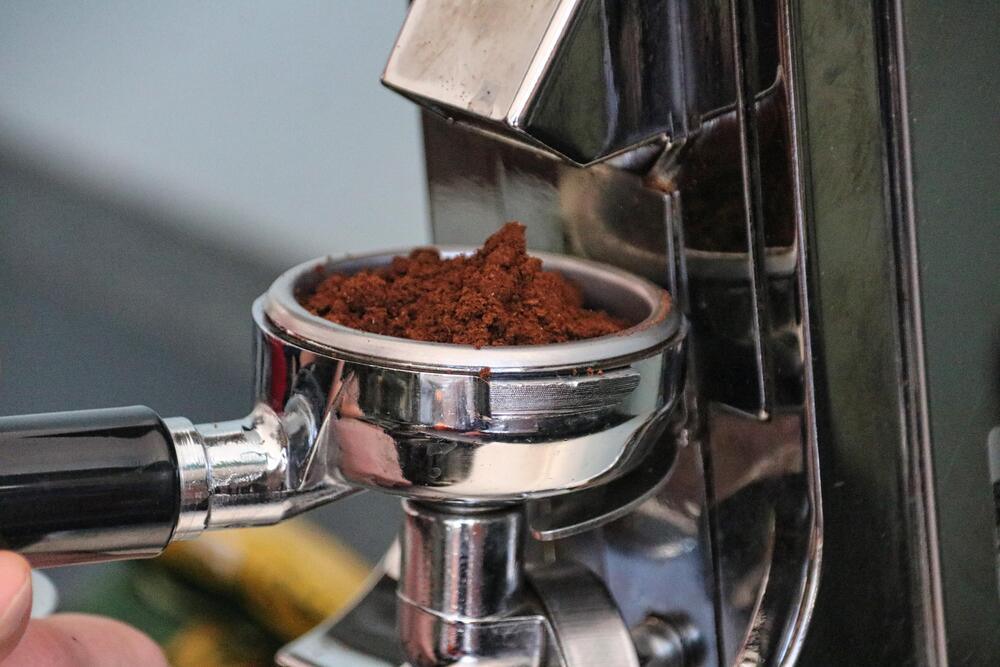
Burr Grinder vs Blade Grinder
One of the most common questions in coffee brewing is whether a burr grinder is worth the investment.
For most coffee drinkers, the answer is yes.
Why Burr Grinders Are Better
Burr grinders create uniform coffee particles.
Uniform particles help produce:
- Consistent extraction
- Better flavor balance
- Improved brewing performance
Blade grinders often create a mixture of:
- Large particles
- Medium particles
- Fine particles
This inconsistency can lead to uneven extraction.
When learning How to Grind Coffee Beans Correctly, consistency is one of the most important goals.
Why Fresh Grinding Improves Coffee Flavor
Freshly ground coffee contains aromatic compounds that contribute significantly to flavor and aroma.
Once coffee is ground, it becomes exposed to oxygen.
This exposure causes:
- Flavor loss
- Aroma reduction
- Faster staling
Grinding coffee immediately before brewing helps preserve these compounds.
Benefits include:
- Stronger aroma
- Better sweetness
- More complex flavors
- Improved freshness
Fresh grinding is one of the easiest ways to improve coffee quality without spending more money on expensive equipment.
Coffee Bean Types and Grinding
Different coffee bean varieties can respond differently during grinding and brewing.
Arabica Coffee
Arabica beans typically offer:
- Fruity notes
- Floral aromas
- Higher acidity
Robusta Coffee
Robusta beans often provide:
- Strong body
- Earthy flavors
- Higher bitterness
Although the grinding principles remain similar, understanding bean characteristics can help you fine-tune your brewing process.
Why Grind Size Must Match Brewing Method
One of the most important lessons in How to Grind Coffee Beans Correctly is that different brewing methods require different grind sizes.
For example:
- Espresso uses very fine grounds.
- Drip coffee uses medium grounds.
- French Press uses coarse grounds.
Using the wrong grind size can negatively affect extraction and flavor.
This is why coffee professionals always adjust grind size based on the brewing method being used.
Different Coffee Brewing Methods
Coffee Grind Sizes Explained
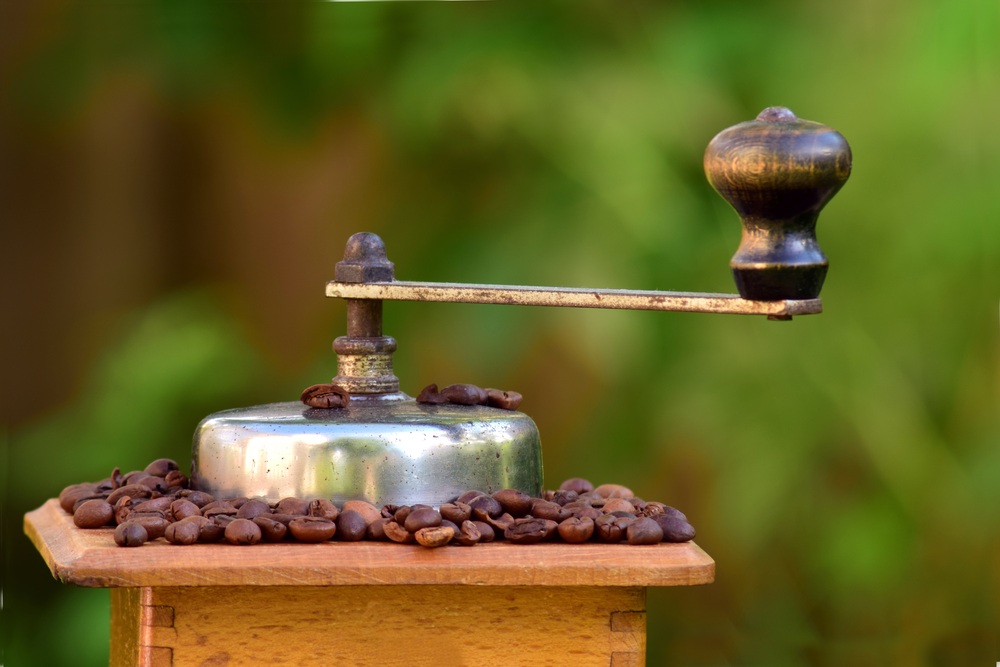
To truly understand How to Grind Coffee Beans Correctly, you need to know the different grind sizes and where they are used.
Using the correct grind size helps water extract flavors at the proper rate. When the grind size matches the brewing method, coffee usually tastes more balanced and enjoyable.
Extra Fine Grind
Appearance:
- Similar to powdered sugar
Best for:
- Turkish coffee
Because the particles are extremely small, water extracts flavor very quickly.
Fine Grind
Appearance:
- Similar to table salt
Best for:
- Espresso machines
Fine grounds help espresso extract properly during the short brewing time.
Medium Grind
Appearance:
- Similar to regular sand
Best for:
- Drip coffee makers
- Pour-over coffee
This is one of the most versatile grind sizes.
Coarse Grind
Appearance:
- Similar to sea salt
Best for:
- French Press
- Cold Brew
Coarse grounds slow down extraction and help prevent bitterness during longer brewing times.
Best Grind Size for Espresso
Espresso requires one of the finest grind sizes used in coffee brewing.
Recommended Grind
- Fine grind
Why Espresso Needs Fine Grounds
Espresso is brewed quickly, often within 25–30 seconds.
A fine grind allows:
- Proper extraction
- Better crema
- Rich flavor
- Balanced sweetness
If the grind is too coarse, espresso may taste weak and sour.
If the grind is too fine, extraction may become overly bitter.
Best Grind Size for Drip Coffee
Drip coffee makers are among the most common home brewing devices.
Recommended Grind
- Medium grind
Benefits of Medium Grind
- Consistent extraction
- Balanced flavor
- Good aroma
- Smooth body
Most drip coffee machines are designed specifically for medium-ground coffee.
Using a proper medium grind is one of the easiest ways to apply How to Grind Coffee Beans Correctly in everyday brewing.
Best Grind Size for French Press
French Press brewing uses immersion rather than rapid filtration.
Recommended Grind
- Coarse grind
Why Coarse Works Best
French Press coffee remains in contact with water for several minutes.
A coarse grind helps:
- Prevent over-extraction
- Reduce bitterness
- Improve filtration
- Create a fuller body
Fine grounds can pass through the filter and make French Press coffee muddy.
Why Freshness Matters After Grinding
Once coffee beans are ground, they begin losing freshness faster than whole beans.
Ground coffee has:
- More surface area
- Greater oxygen exposure
- Faster flavor loss
For best results:
- Grind immediately before brewing
- Store beans in airtight containers
- Avoid unnecessary moisture and heat
Freshness is just as important as learning How to Grind Coffee Beans Correctly.
How to Store Coffee Beans Properly
How Roast Level Affects Grinding
Roast level can influence grinding behavior.
Light Roast Beans
Light roasts are denser and often require more grinding effort.
Medium Roast Beans
Medium roasts generally grind very consistently.
Dark Roast Beans
Dark roasts are more brittle and can produce more fine particles.
Understanding roast characteristics helps improve consistency during grinding.
Common Coffee Grinding Mistakes
Many beginners make simple grinding mistakes that reduce coffee quality.
Using One Grind Size for Every Brewing Method
Different brewing methods require different grind sizes.
Grinding Too Far in Advance
Fresh grinding almost always produces better flavor.
Choosing a Low-Quality Grinder
Poor grinders create inconsistent particles.
Ignoring Brewing Method Requirements
Espresso, drip coffee, and French Press all require different grind sizes.
Not Adjusting When Coffee Tastes Wrong
Sometimes the solution is simply changing the grind size rather than changing the coffee itself.
Avoiding these mistakes can dramatically improve your brewing results.
Simple Grinding Tips for Beginners
If you are new to coffee brewing, follow these practical tips:
Buy Whole Beans
Whole beans stay fresh longer.
Grind Just Before Brewing
This helps preserve flavor and aroma.
Use a Burr Grinder
Consistency is usually much better than with blade grinders.
Experiment Gradually
Make small grind adjustments instead of large changes.
Keep Notes
Tracking grind settings can help you repeat successful brews.
These habits make learning How to Grind Coffee Beans Correctly much easier.
Frequently Asked Questions
What is the best grinder for coffee?
Most coffee experts recommend burr grinders because they produce more consistent grind sizes.
Should I buy whole beans or ground coffee?
Whole beans are generally preferred because they stay fresh longer and provide better flavor.
What grind size is best for espresso?
A fine grind is typically recommended for espresso brewing.
What grind size is best for French Press?
A coarse grind is usually ideal for French Press coffee.
Does grind size really affect flavor?
Yes. Grind size directly influences extraction and can significantly change how coffee tastes.
Conclusion
Learning How to Grind Coffee Beans Correctly is one of the most valuable skills any coffee lover can develop. While coffee beans, brewing equipment, and water quality all play important roles, grind size has a direct impact on extraction and flavor.
By matching the correct grind size to your brewing method, using freshly ground coffee, and choosing a quality grinder, you can dramatically improve the taste of your coffee at home.
Whether you prefer espresso, drip coffee, French Press, or pour-over brewing, understanding How to Grind Coffee Beans Correctly will help you achieve more consistent and flavorful results. Small adjustments in grind size often make a bigger difference than many people expect.
Mastering this simple skill can transform an average cup of coffee into an exceptional one.
External Resources
For additional information about coffee beans and coffee preparation:
3 thoughts on “How to Grind Coffee Beans Correctly: The Complete Beginner’s Guide (2026)”