
As an Amazon Associate, I earn from qualifying purchases. This means I may earn a commission if you purchase through links on this page, at no extra cost to you.
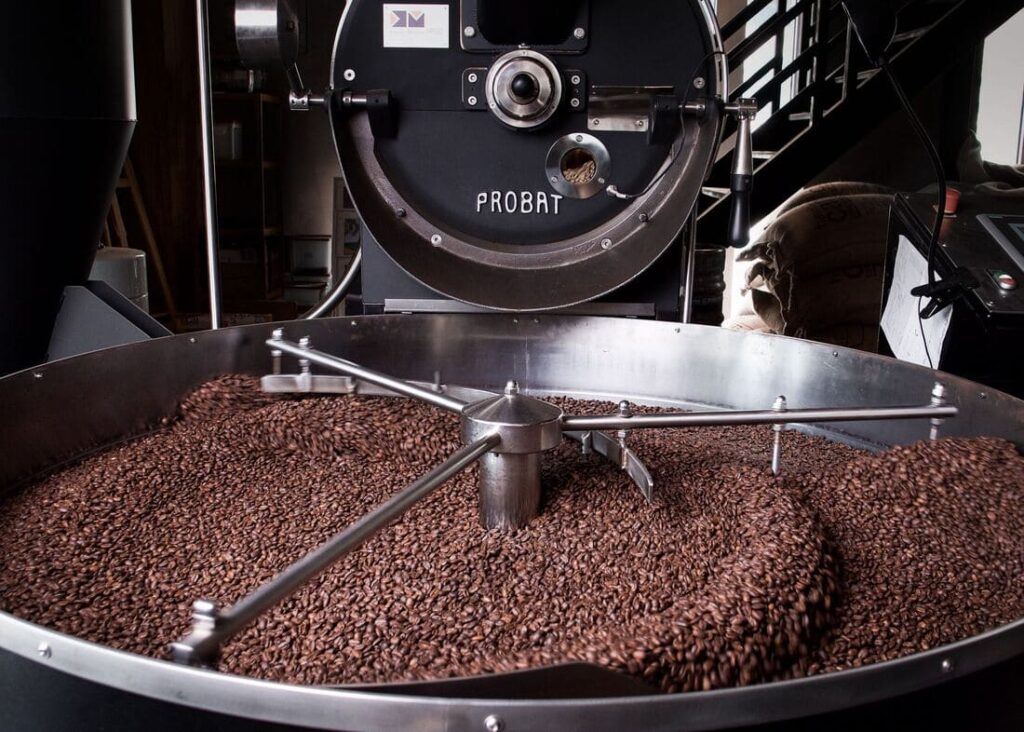
Coffee is enjoyed by millions of people every day, but few coffee drinkers truly understand what happens before coffee reaches their cup. One of the most important stages in coffee production is roasting. Learning How Coffee Beans Are Roasted helps you understand why different coffees taste unique and how roasting affects flavor, aroma, acidity, and body.
Before roasting, coffee beans are actually green seeds with very little aroma and almost none of the rich coffee flavors we associate with a freshly brewed cup. The roasting process transforms these green beans into the flavorful coffee beans used in homes, cafés, and coffee shops around the world.
Whether you enjoy espresso, drip coffee, French Press, or pour-over brewing, understanding How Coffee Beans Are Roasted can help you make better coffee choices and improve your overall coffee experience.
What Are Green Coffee Beans?
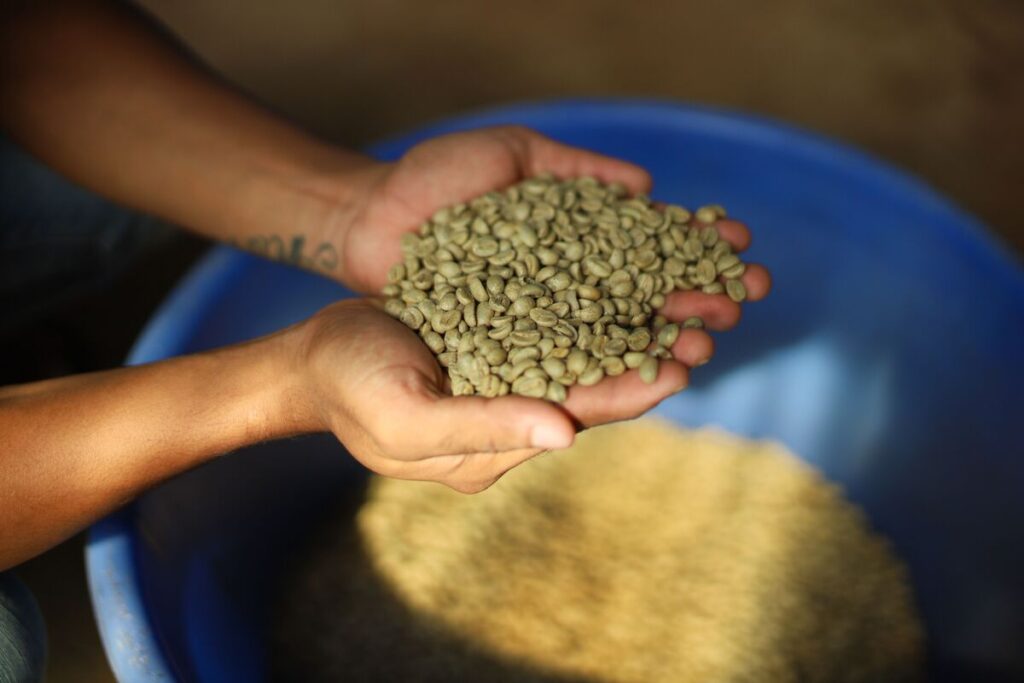
Before coffee beans are roasted, they exist as green coffee beans.
Green coffee beans are the seeds found inside coffee cherries. After harvesting, the cherries are processed, cleaned, and dried before the beans are prepared for roasting.
Unlike roasted coffee beans, green beans:
- Have little aroma
- Appear pale green
- Contain high moisture levels
- Cannot produce traditional coffee flavor
These beans are essentially the raw material that roasters use to create the flavors coffee lovers enjoy.
Why Coffee Beans Need Roasting
One common question among beginners is why coffee beans must be roasted at all.
The answer is simple: green coffee beans do not taste like coffee.
Roasting creates the chemical reactions responsible for:
- Coffee aroma
- Sweetness
- Acidity
- Body
- Flavor complexity
Without roasting, coffee would lack the rich characteristics that make it one of the world’s favorite beverages.
Understanding How Coffee Beans Are Roasted helps explain why two coffees made from similar beans can taste completely different.
How Coffee Beans Are Roasted
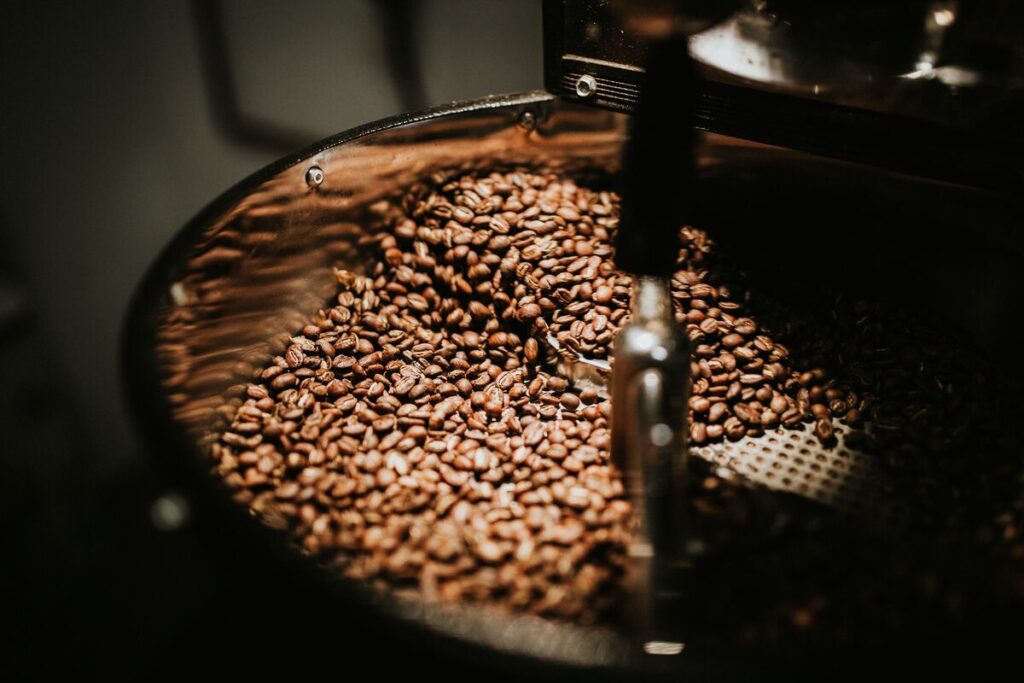
The roasting process involves heating green coffee beans at carefully controlled temperatures.
During roasting:
- Moisture evaporates.
- Beans expand in size.
- Natural sugars begin to caramelize.
- Aromatic compounds develop.
- Flavor characteristics emerge.
Professional coffee roasters carefully monitor temperature and roasting time to achieve specific flavor profiles.
The process may seem simple, but even small adjustments can dramatically affect the final taste of the coffee.
The Coffee Roasting Process Step by Step
Learning How Coffee Beans Are Roasted becomes easier when the process is broken into stages.
Stage 1: Drying Phase
Fresh green coffee beans contain moisture.
During the first stage of roasting:
- Moisture begins to evaporate.
- Beans start warming gradually.
- Color remains relatively unchanged.
This stage prepares the beans for the more important chemical reactions that occur later.
Stage 2: Yellowing Phase
As temperature increases:
- Beans begin turning yellow.
- Steam is released.
- Grassy aromas become noticeable.
This phase indicates that the roasting process is progressing successfully.
Stage 3: Browning Phase
The browning stage is where coffee begins to develop recognizable flavors.
Natural sugars react with amino acids in a process known as the Maillard Reaction.
This reaction contributes to:
- Sweetness
- Aroma
- Complexity
- Flavor development
At this point, coffee starts to smell more like the beverage we know and love.
What Is the First Crack?
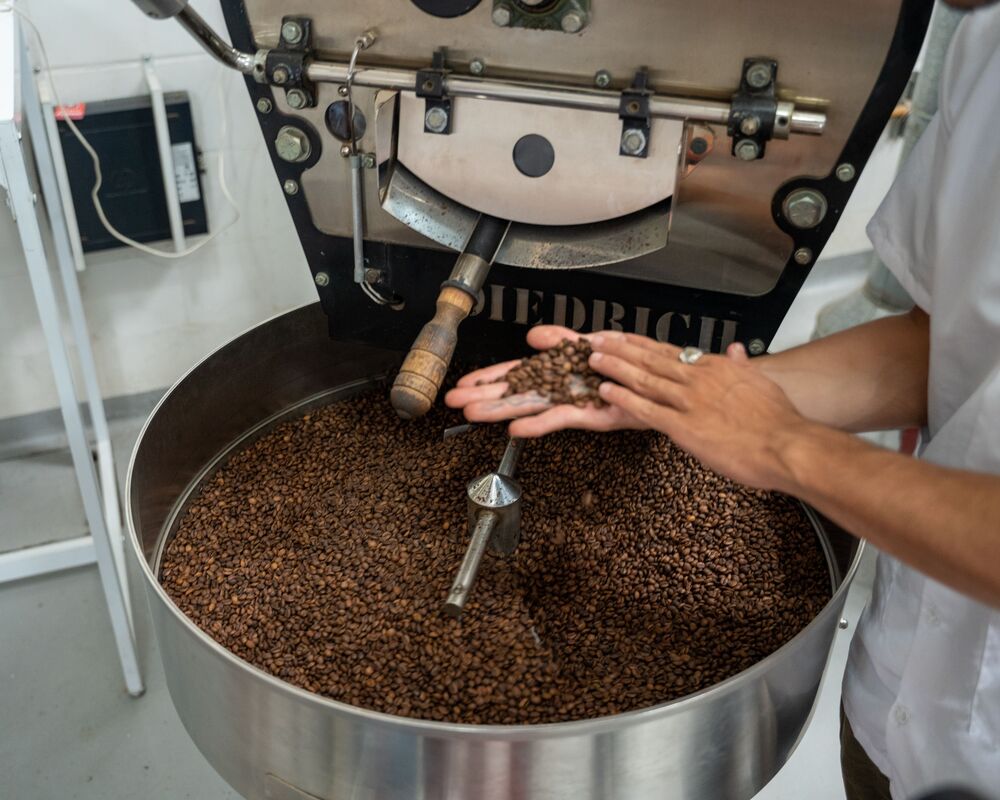
One of the most important moments in understanding How Coffee Beans Are Roasted is the First Crack.
As internal pressure builds inside the bean, it eventually produces a popping sound similar to popcorn.
This event is called the First Crack.
Why the First Crack Matters
The First Crack signals:
- Significant flavor development
- Expansion of the bean
- Beginning of drinkable roast levels
Many light roast coffees are finished shortly after the First Crack occurs.
Coffee roasted beyond this point develops deeper and richer flavors.
What Is the Second Crack?
If roasting continues beyond the First Crack, the beans eventually reach the Second Crack.
During this stage:
- Oils begin moving toward the bean surface.
- Roasting becomes more intense.
- Dark roast characteristics develop.
The Second Crack produces a quieter snapping sound compared to the First Crack.
Dark roast coffees are often roasted near or beyond this stage.
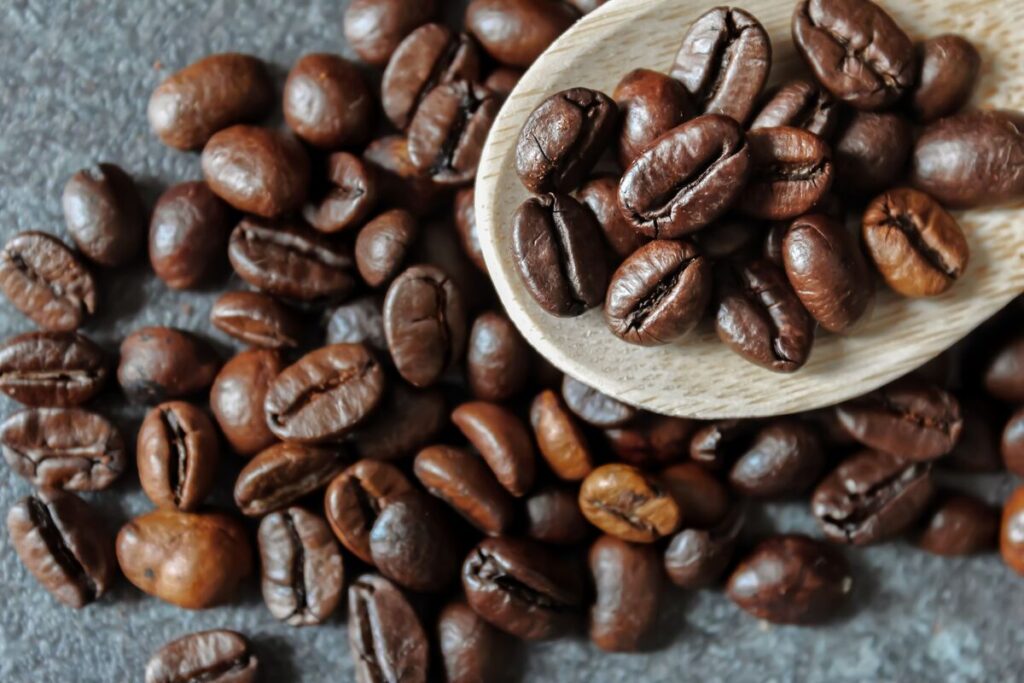
Light Roast vs Medium Roast vs Dark Roast
One of the most important results of How Coffee Beans Are Roasted is the creation of different roast levels.
Light Roast Coffee
Characteristics:
- Higher acidity
- Bright flavor
- Fruity notes
- Lighter body
Light roasts often highlight the original characteristics of the coffee bean.
Medium Roast Coffee
Characteristics:
- Balanced flavor
- Moderate acidity
- Pleasant sweetness
- Smooth body
Medium roasts are among the most popular choices worldwide.
Dark Roast Coffee
Characteristics:
- Bold flavor
- Lower acidity
- Smoky notes
- Fuller body
Dark roasts emphasize roast characteristics more than bean-specific flavors.
How Roast Level Affects Brewing
Different roast levels perform differently depending on the brewing method used.
For example:
- Light roasts work exceptionally well in pour-over brewing.
- Medium roasts are versatile for drip coffee makers.
- Dark roasts are commonly used for espresso.
Understanding roast levels helps coffee lovers choose the most suitable brewing method for their preferred flavor profile.
👉 Different Coffee Brewing Methods
Does Bean Type Matter During Roasting?
Absolutely.
Different coffee varieties react differently during roasting.
Arabica beans often develop:
- Floral notes
- Fruity flavors
- Higher acidity
Robusta beans typically produce:
- Stronger body
- Earthy flavors
- Higher bitterness
Roasters frequently adjust their roasting profiles based on bean type to achieve the desired flavor outcome.
How Roasting Affects Coffee Flavor
One of the biggest reasons people learn How Coffee Beans Are Roasted is to understand why different coffees taste so different.
Roasting changes the chemical structure of coffee beans and creates hundreds of flavor compounds.
Light Roasts
Light roasts typically preserve more of the bean’s natural characteristics.
Common flavor notes include:
- Citrus
- Floral tones
- Berry flavors
- Bright acidity
These roasts allow coffee drinkers to experience the unique qualities of the coffee’s origin.
Medium Roasts
Medium roasts provide a balance between origin flavors and roasting flavors.
Common characteristics include:
- Chocolate notes
- Caramel sweetness
- Balanced acidity
- Smooth body
This balance makes medium roast one of the most popular roast levels worldwide.
Dark Roasts
Dark roasts focus more on roasting characteristics than origin characteristics.
Common flavor notes include:
- Smoky flavors
- Dark chocolate
- Toasted nuts
- Low acidity
Because of their bold taste, dark roasts are often chosen for espresso beverages.
Understanding How Coffee Beans Are Roasted helps coffee drinkers select roast levels that match their taste preferences.
How Roasting Affects Coffee Aroma
Aroma is one of the most important parts of the coffee experience.
During roasting, hundreds of aromatic compounds are created.
These compounds contribute to:
- Sweet aromas
- Nutty aromas
- Chocolate notes
- Fruity fragrances
Freshly roasted coffee beans often produce a much stronger aroma than older beans because many of these compounds gradually disappear over time.
Does Roasting Affect Caffeine Content?
A common misconception is that dark roast coffee contains significantly more caffeine than light roast coffee.
In reality, the difference is relatively small.
Light Roast
- Slightly denser beans
- Retains more original bean mass
Dark Roast
- Expanded beans
- Slightly lower density
For most coffee drinkers, roast level has a much smaller impact on caffeine than brewing method, serving size, and bean type.
Learning How Coffee Beans Are Roasted helps separate common myths from reality.
Choosing the Best Roast for Your Coffee Maker
Different roast levels often work better with different brewing equipment.
Best Roast for Drip Coffee Makers
Medium roast is usually the most versatile option because it offers balanced flavor and good extraction.
Best Roast for Espresso Machines
Medium-dark and dark roasts are commonly used because they produce a rich body and strong flavor.
Best Roast for French Press
Medium and dark roasts work particularly well due to their fuller body.
Best Roast for Pour-Over Brewing
Light and medium roasts often shine because they highlight delicate flavor notes.
Selecting the right roast can significantly improve the quality of your daily coffee.
Keeping Roasted Coffee Beans Fresh
After learning How Coffee Beans Are Roasted, the next step is preserving freshness.
Even perfectly roasted coffee beans can lose flavor if stored incorrectly.
Best Practices
- Use airtight containers
- Store in a cool, dry location
- Keep away from sunlight
- Avoid excess moisture
- Buy fresh coffee regularly
Proper storage protects the flavors created during the roasting process.
👉 How to Store Coffee Beans Properly
Common Roasting Myths
Myth 1: Dark Roast Has Much More Caffeine
This is not necessarily true. Differences are usually small.
Myth 2: Oily Beans Mean Better Coffee
Oily beans simply indicate a darker roast level and are not automatically higher quality.
Myth 3: All Coffee Beans Are Roasted the Same Way
Different beans require different roasting profiles to achieve the best flavor.
Myth 4: Dark Roast Is Stronger in Every Way
Dark roast has a stronger roasted flavor, but not always more caffeine.
Why Roasting Is an Art and a Science
Coffee roasting combines scientific precision with human skill.
Professional roasters must consider:
- Bean density
- Moisture content
- Origin
- Processing method
- Desired flavor profile
A few seconds of additional roasting can significantly alter the final result.
This is why mastering How Coffee Beans Are Roasted requires both experience and attention to detail.
Frequently Asked Questions
What are green coffee beans?
Green coffee beans are raw, unroasted coffee seeds that have been processed and dried but not yet roasted.
Why are coffee beans roasted?
Roasting develops the flavors, aromas, and characteristics that make coffee enjoyable to drink.
What is the First Crack in coffee roasting?
The First Crack is a popping sound that occurs when internal pressure causes coffee beans to expand during roasting.
Which roast is best for beginners?
Medium roast is often recommended because it offers balanced flavor, moderate acidity, and broad appeal.
Do darker roasts have more caffeine?
Not necessarily. The difference in caffeine between light and dark roasts is generally small.
Conclusion
Understanding How Coffee Beans Are Roasted gives coffee lovers a deeper appreciation for the journey from green coffee beans to the flavorful beverage enjoyed every day.
Roasting transforms raw coffee beans through a series of carefully controlled stages that create aroma, sweetness, acidity, body, and flavor complexity. Whether you prefer light, medium, or dark roasts, each roasting level offers a unique coffee experience.
By learning How Coffee Beans Are Roasted, you can make more informed decisions when buying coffee, selecting roast levels, and choosing brewing methods. This knowledge not only improves your understanding of coffee but also helps you enjoy a better cup every time you brew.
If your coffee still tastes disappointing despite using quality beans, the issue may be related to brewing technique, freshness, or equipment maintenance.
👉 Why Homemade Coffee Tastes Bad
👉 Affordable Coffee Machine for Home in India
External Resources
For additional information about coffee roasting and coffee beans:
2 thoughts on “How Coffee Beans Are Roasted: From Green Beans to Perfect Coffee (2026 Guide)”