
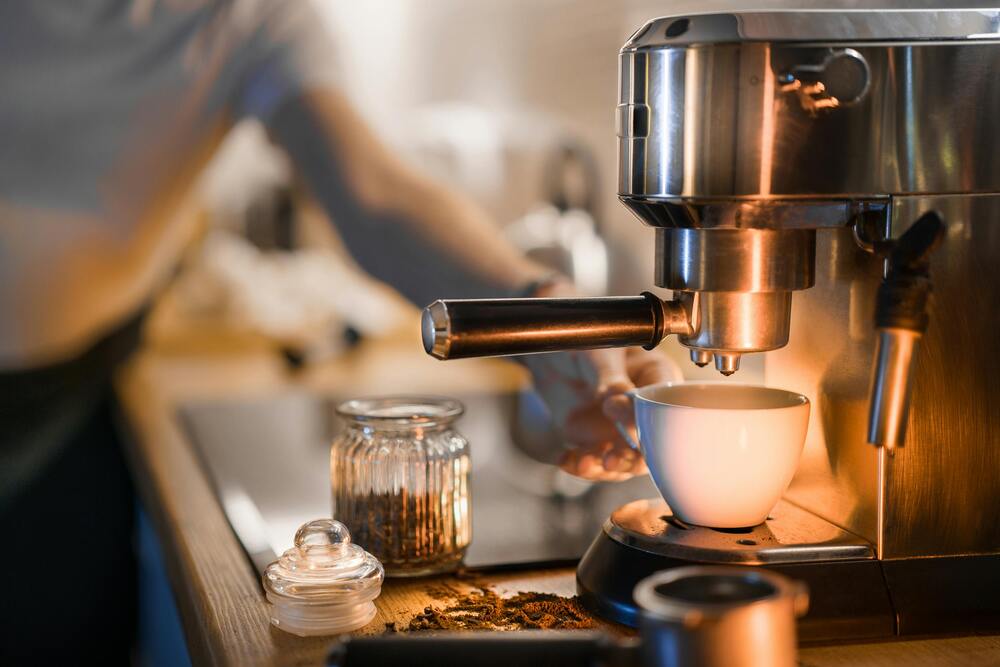
As an Amazon Associate, I earn from qualifying purchases. This means I may earn a commission if you purchase through links on this page, at no extra cost to you.
Introduction
If you’ve ever asked yourself, how does a coffee maker work, you’re not alone. Understanding how does a coffee maker work can help beginners make better coffee at home. Many people use a coffee maker every day without knowing what happens inside the machine after pressing the power button.
A coffee maker may seem simple from the outside, but it uses a smart brewing process to transform water and coffee grounds into a fresh cup of coffee. Understanding how a coffee maker works can help you make better coffee, troubleshoot common problems, and choose the right machine for your home.
Whether you’re a student, office worker, or someone just starting your coffee journey, this beginner-friendly guide will explain everything in simple language.
What Is a Coffee Maker?
Before understanding how does a coffee maker work, it’s important to know what a coffee maker actually is.
A coffee maker is a machine designed to brew coffee automatically. Instead of manually pouring hot water over coffee grounds, the machine handles most of the process for you.
Modern coffee makers are popular because they:
- Save time
- Produce consistent coffee
- Are easy to use
- Require minimal effort
- Work well for daily coffee drinkers
Many beginners start with a drip coffee maker because it is one of the simplest coffee machines available.
Why Understanding How a Coffee Maker Works Is Important
Learning how does a coffee maker work isn’t just for coffee enthusiasts.
It can help you:
- Brew better-tasting coffee
- Avoid beginner mistakes
- Clean your machine correctly
- Extend the life of your coffee maker
- Choose the right coffee machine in the future
Once you understand the brewing process, you’ll have more control over the quality of your coffee.
If you’ve ever wondered how does a coffee maker work, understanding the basics can help you brew better coffee and avoid common beginner mistakes.
Main Parts of a Coffee Maker
To understand how does a coffee maker work, let’s first look at the major components inside the machine.
1. Water Reservoir
The water reservoir is the container where you pour fresh water before brewing.
Most coffee makers have measurement markings that indicate how many cups can be brewed.
2. Heating Element
The heating element is responsible for heating the water.
This part is one of the most important components because proper water temperature affects coffee flavor.
3. Water Tube
A small tube carries hot water from the heating system to the coffee grounds.
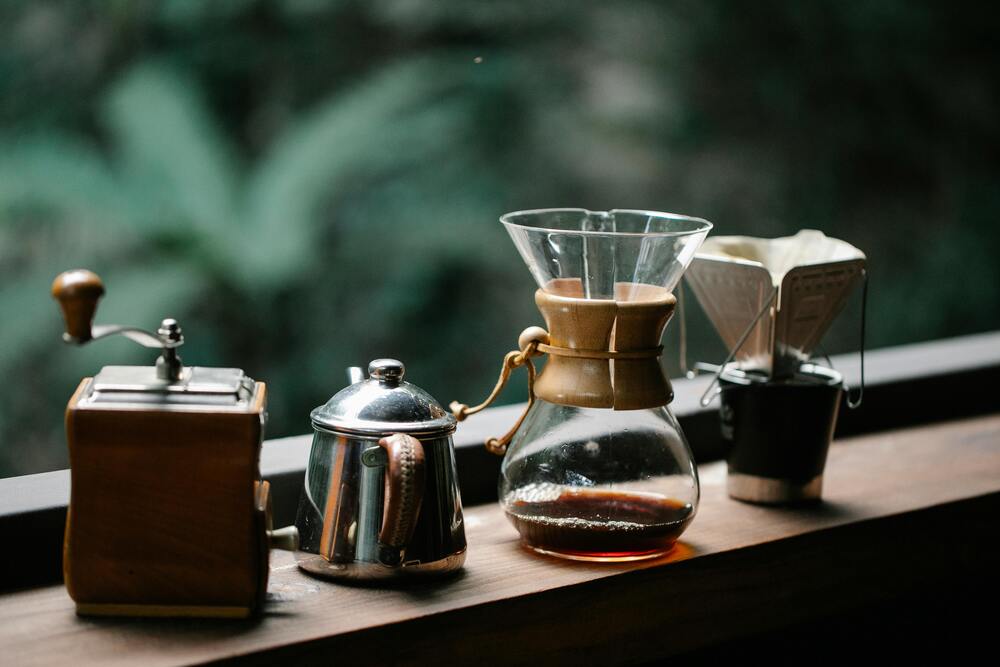
4. Filter Basket
The filter basket holds the coffee grounds during brewing.
5. Coffee Filter
The filter separates coffee grounds from the final brewed coffee.
Some machines use paper filters, while others include reusable mesh filters.
6. Carafe
The carafe is the container that collects freshly brewed coffee.
Most home coffee makers include a glass or thermal carafe.
7. Warming Plate
Many drip coffee makers include a warming plate that keeps coffee hot after brewing.
How Does a Coffee Maker Work Step by Step?
Now let’s answer the main question:
How does a coffee maker work?
The brewing process happens in several simple stages.
The easiest way to understand how does a coffee maker work is to follow the brewing process from start to finish.
Step 1: Water Is Added
The process starts when you pour fresh water into the reservoir.
The amount of water you add determines how much coffee will be brewed.
Using filtered water often improves the final taste.
Step 2: Coffee Grounds Are Added
Ground coffee is placed inside the filter basket.
The quality of your coffee grounds plays a major role in flavor.
Fresh coffee usually produces better results than coffee that has been sitting open for weeks.
Step 3: The Machine Is Turned On
When you press the power button, electricity activates the heating element inside the machine.
This is where the brewing process begins.
Step 4: Water Gets Heated
One of the most important steps in understanding how does a coffee maker work is knowing how water is heated.
The heating element quickly raises the water temperature to the ideal brewing range.
Most coffee makers heat water to approximately 90–96°C (195–205°F).
This temperature is considered ideal for extracting coffee flavor.
If the water is too cold, the coffee may taste weak.
If the water is too hot, the coffee may taste bitter.
Step 5: Hot Water Moves Through the Tube

Once heated, the water travels through an internal tube.
The machine uses pressure created by heating to move water toward the filter basket.
Although the process is simple, it is very effective.
This is one of the key reasons why coffee makers can produce consistent results every day.
Step 6: Hot Water Reaches the Coffee Grounds
The hot water is distributed over the coffee grounds.
As the water passes through the grounds, it begins extracting:
- Flavor compounds
- Natural oils
- Aroma
- Color
This stage is called coffee extraction.
Good extraction creates balanced coffee that is neither too weak nor too bitter.
Step 7: Coffee Passes Through the Filter
After the hot water extracts flavor from the coffee grounds, the brewed coffee passes through a filter.
The filter plays an important role because it keeps coffee grounds out of your cup.
There are two common types of filters:
Paper Filters
Paper filters trap more oils and fine particles, often producing a cleaner cup of coffee.
Reusable Filters
Reusable mesh filters allow more natural coffee oils to pass through, creating a richer flavor.
Both options work well, and choosing between them is mostly a matter of personal preference.
Step 8: Coffee Drips Into the Carafe
After filtration, the brewed coffee drips into the carafe below.
This is the final stage of the brewing process.
Once all the water has passed through the coffee grounds, the machine completes the brewing cycle.
This dripping action is one reason why drip coffee makers are so popular among beginners.
Step 9: The Warming Plate Keeps Coffee Hot
Many coffee makers include a warming plate beneath the carafe.
After brewing, the warming plate keeps the coffee warm for a certain period.
While this is convenient, leaving coffee on a warming plate for too long may reduce its freshness and flavor.
For the best taste, try to enjoy your coffee soon after brewing.
Different Types of Coffee Makers
Now that you understand how does a coffee maker work, it’s helpful to know that different coffee makers use slightly different brewing methods.
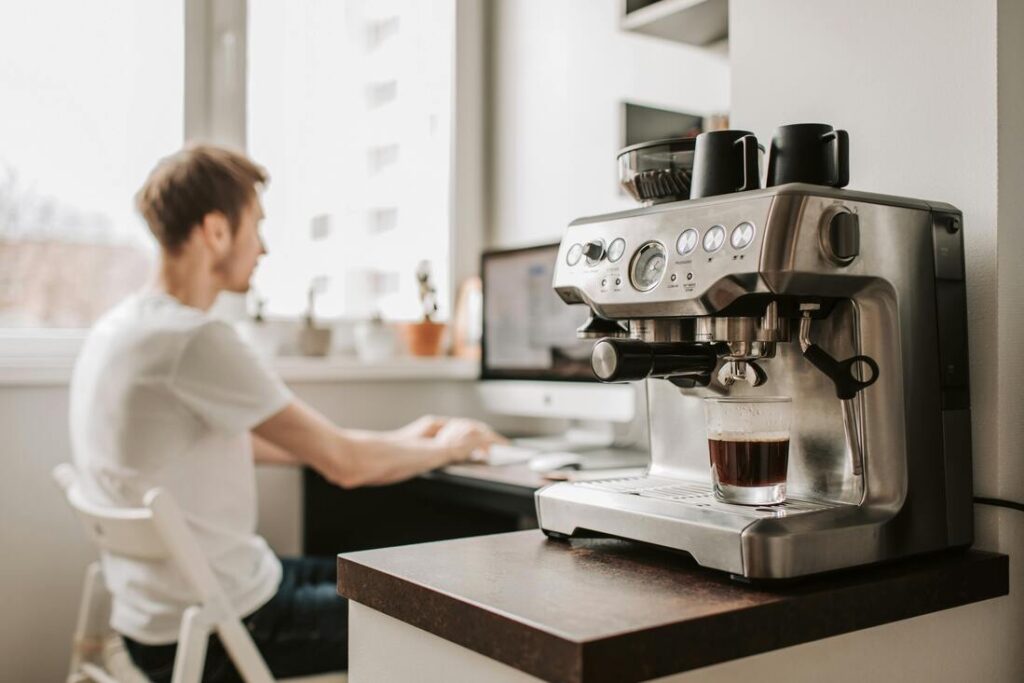
Regardless of the machine type, the basic answer to how does a coffee maker work remains the same: hot water extracts flavor from coffee grounds.
Drip Coffee Makers
Drip coffee makers are the most common choice for beginners.
They automatically heat water and pass it through coffee grounds using the process explained in this guide.
Espresso Machines
Espresso machines use pressure to force hot water through finely ground coffee.
This creates a stronger and more concentrated coffee.
French Press
A French press is a manual brewing method where coffee grounds steep in hot water before being filtered.
Capsule Coffee Machines
These machines use pre-filled coffee capsules and are known for convenience and speed.
If you’re shopping on a budget, you can also explore affordable coffee makers for beginners.
affordable coffee makers for beginners
Common Coffee Maker Problems and Solutions
Understanding how does a coffee maker work can make it easier to identify and fix common brewing problems.
Even the best coffee makers can occasionally have problems.
Problem: Coffee Tastes Weak
Possible causes:
- Too much water
- Too little coffee
- Old coffee grounds
Solution
Use fresh coffee and adjust the coffee-to-water ratio.
Problem: Coffee Tastes Bitter
Possible causes:
- Over-extraction
- Too much coffee
- Water temperature issues
Solution
Reduce the amount of coffee and clean the machine regularly.
Problem: Coffee Maker Brews Slowly
Possible causes:
- Mineral buildup
- Dirty components
- Clogged filter
Solution
Descale the coffee maker and clean all removable parts.
Problem: Coffee Is Not Hot Enough
Possible causes:
- Aging heating element
- Poor-quality machine
- Excessive waiting time after brewing
Solution
Brew fresh coffee and check the machine’s maintenance requirements.
How to Clean a Coffee Maker Properly
Cleaning is one of the easiest ways to improve coffee quality.
Many beginners focus only on coffee beans while ignoring machine maintenance.
Daily Cleaning
After each use:
- Remove used coffee grounds
- Rinse the filter basket
- Wash the carafe
Weekly Cleaning
Once a week:
- Clean removable parts thoroughly
- Remove coffee residue
- Wipe the warming plate
Monthly Descaling
Minerals from water can build up inside the machine.
Descaling helps remove these deposits and maintain brewing performance.
A clean coffee maker generally produces better-tasting coffee.
Tips for Making Better Coffee at Home
If you’ve learned how does a coffee maker work, the next step is improving your brewing results.
Once you understand how does a coffee maker work, improving your coffee quality becomes much easier.
Use Fresh Coffee Beans
Fresh coffee usually delivers better flavor and aroma.
Measure Ingredients Correctly
Avoid guessing. Consistent measurements lead to consistent coffee.
Use Good Quality Water
Since coffee is mostly water, water quality matters.
Store Coffee Properly
Keep coffee in an airtight container away from sunlight and moisture.
Clean Your Machine Regularly
Regular maintenance improves both flavor and machine lifespan.
Who Should Buy a Coffee Maker?
Coffee makers are suitable for many types of users.
Students
Coffee makers provide an affordable way to prepare coffee at home.
Office Workers
Busy mornings become easier with automatic brewing.
Families
Larger machines can brew multiple cups in a single cycle.
Beginners
Coffee makers require very little learning compared to more advanced brewing equipment.
If you’re looking for value-focused options, compare some of the best coffee makers under ₹3000 before making a purchase.
best coffee makers under ₹3000
Water quality and brewing temperature can significantly affect coffee flavor.coffee brewing standards
What Is Coffee Extraction?
Coffee extraction is one of the most important concepts in brewing.
When hot water passes through coffee grounds, it dissolves hundreds of flavor compounds.
The goal is to extract the right amount of flavor.
Under-Extraction
If water passes through too quickly:
- Coffee may taste sour
- Flavor may feel weak
- Aroma may be limited
Over-Extraction
If too much flavor is extracted:
- Coffee may taste bitter
- Flavor may become harsh
- The cup may feel unpleasant
Good coffee makers are designed to help achieve balanced extraction.
Why Does Coffee Taste Different in Different Coffee Makers?
Many beginners wonder why coffee can taste different even when using the same coffee beans.
Several factors influence flavor:
Water Temperature
Different machines may heat water differently.
Brewing Time
Longer brewing times affect extraction.
Filter Type
Paper and reusable filters can create different flavor profiles.
Coffee-to-Water Ratio
Using too much or too little coffee changes the taste significantly.
Coffee Quality
Fresh coffee almost always tastes better than stale coffee.
Frequently Asked Questions (FAQs)
How does a coffee maker heat water?
Most coffee makers use an internal heating element powered by electricity.
How long does a coffee maker take to brew coffee?
Most machines take between 5 and 10 minutes depending on capacity.
Why is my coffee maker making weak coffee?
Weak coffee is often caused by using too little coffee or too much water.
Do all coffee makers work the same way?
No. While the basic principle is similar, different machines use different brewing methods.
Can I use any coffee in a coffee maker?
Most coffee makers work best with coffee that is suitable for their specific brewing method.
How often should I clean my coffee maker?
Basic cleaning should be performed after each use, with deeper cleaning performed regularly.
How does a coffee maker work step by step?
A coffee maker heats water, moves it through an internal tube, passes it over coffee grounds, filters the brewed coffee, and collects it in a carafe.
Is it difficult to understand how does a coffee maker work?
No. Once you understand the basic steps of heating water, extracting coffee, and filtration, learning how does a coffee maker work becomes very simple.
Conclusion
Now that you understand how does a coffee maker work, it’s easy to see why these machines have become a kitchen essential for millions of people around the world.
The process is surprisingly simple: water is heated, moved through the machine, passed over coffee grounds, filtered, and collected as freshly brewed coffee. While the technology inside a coffee maker may seem complex, its purpose is straightforward—helping you make consistent and enjoyable coffee with minimal effort.
Whether you’re a student, a busy professional, or someone starting their coffee journey, understanding the brewing process can help you get better results every day.
If you’re still exploring your options, you can also compare different coffee makers for home use to find a machine that fits your budget and lifestyle.
After learning how does a coffee maker work, you’ll be able to use your machine more effectively and brew better coffee every day.
Coffee is one of the most popular beverages in the world and can be prepared using various brewing methods.
8 thoughts on “How Does a Coffee Maker Work? Simple Guide for Beginners (2026)”