
As an Amazon Associate, I earn from qualifying purchases. This means I may earn a commission if you purchase through links on this page, at no extra cost to you.
Introduction
Buying a coffee maker is exciting for many beginners. You finally get the chance to enjoy café-style coffee at home without spending money every day at coffee shops. However, many people quickly become disappointed when their homemade coffee tastes weak, bitter, burnt, or simply “not right.”
The good news is that most of these problems are not caused by the coffee maker itself. In many cases, beginners unknowingly make small mistakes during the brewing process that affect coffee quality.
Understanding common coffee maker mistakes can help you brew better coffee, improve flavor, and make your machine last longer. Whether you use a drip coffee maker, capsule machine, or basic coffee brewing setup, avoiding these mistakes can make a huge difference.
In this beginner-friendly guide, we’ll explain the most common coffee maker mistakes beginners make and how to fix them easily.
By understanding these common coffee maker mistakes, you can improve your coffee quality and avoid beginner errors.
Fresh coffee beans generally provide better flavor and aroma than stale coffee.
Why Beginners Often Make Coffee Maker Mistakes
Most beginners focus only on buying a coffee machine while ignoring other important factors such as:
- Coffee quality
- Water temperature
- Cleaning habits
- Coffee measurements
- Brewing techniques
Even expensive coffee makers can produce bad coffee if these basics are ignored.
Learning how the brewing process works is one of the easiest ways to avoid beginner problems.
how does a coffee maker work
1. Using Too Much Coffee
One of the most common coffee maker mistakes is adding too much coffee powder.
Many beginners believe that extra coffee automatically creates better flavor. In reality, using too much coffee can make your drink taste:
- Bitter
- Overpowering
- Harsh
- Burnt
How to Fix It
Start with the recommended coffee-to-water ratio suggested by your coffee maker manufacturer.
A balanced ratio usually produces smoother and more enjoyable coffee.
2. Using Old or Stale Coffee Grounds
Freshness matters more than many beginners realize.
Coffee grounds slowly lose flavor and aroma after exposure to air, moisture, and sunlight.
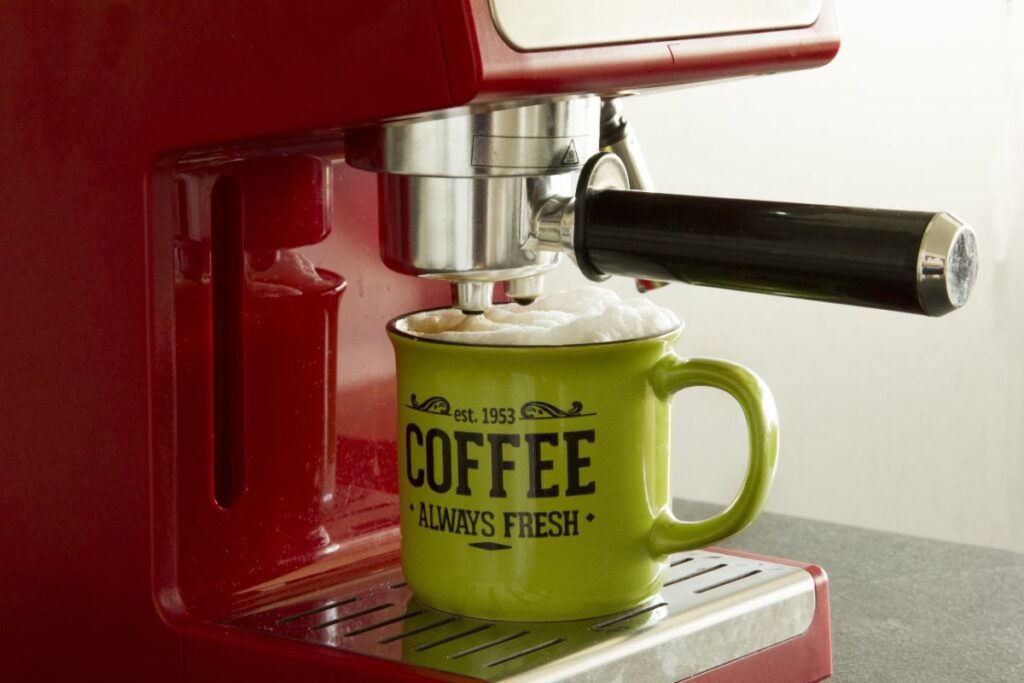
Using stale coffee often results in:
- Flat flavor
- Weak aroma
- Dull coffee taste
How to Fix It
- Store coffee in an airtight container
- Avoid direct sunlight
- Buy smaller coffee packs if possible
Fresh coffee generally creates a much better brewing experience.
3. Not Cleaning the Coffee Maker Regularly
Another major coffee maker mistake is ignoring machine cleaning.
Over time, coffee oils, residue, and mineral deposits build up inside the machine.
This can affect:
- Coffee flavor
- Brewing speed
- Water flow
- Machine lifespan
A dirty coffee maker may even make fresh coffee taste unpleasant.
How to Fix It
Basic cleaning should be done after every use.
Regular maintenance includes:
- Washing the carafe
- Cleaning the filter basket
- Removing used coffee grounds
- Descaling the machine monthly
A clean coffee maker usually produces better coffee.
4. Using the Wrong Coffee-to-Water Ratio
Many beginners guess measurements instead of using proper ratios.
This often creates coffee that is either:
- Too weak
- Too strong
- Unbalanced
How to Fix It
Try measuring both water and coffee consistently.
If your coffee tastes weak:
- Use slightly more coffee
If your coffee tastes bitter:
- Use slightly less coffee
Small adjustments can improve flavor significantly.
5. Using Poor Quality Water
Since coffee is mostly water, water quality directly affects taste.
Using poor-quality water can negatively impact flavor even if you use expensive coffee beans.
How to Fix It
Whenever possible:
- Use filtered water
- Avoid extremely hard water
- Use fresh water for each brew
Good water often creates cleaner and smoother coffee flavor.
Water quality plays an important role in coffee flavor and extraction.
6. Leaving Coffee on the Warming Plate Too Long
Many beginners leave coffee sitting on the warming plate for long periods.
While warming plates keep coffee hot, excessive heat can slowly damage flavor.
Coffee left too long on heat may taste:
- Burnt
- Bitter
- Stale
How to Fix It
Try drinking coffee soon after brewing.
If you regularly brew large amounts, a thermal carafe may help maintain temperature better.
7. Buying the Wrong Coffee Maker
Many coffee maker mistakes happen because beginners choose a machine that doesn’t match their needs.
One of the biggest coffee maker mistakes beginners make is buying a machine without understanding their own needs.
Some people buy expensive espresso machines even though they simply want easy daily coffee.
Others buy very small machines for large families.
How to Fix It
Before buying a coffee maker, consider:
- Your budget
- Kitchen space
- Number of coffee drinkers
- Brewing preferences
- Ease of cleaning
For most beginners, a drip coffee maker is usually the easiest and most practical option.
drip coffee maker
How to Avoid Coffee Maker Mistakes
Now that you understand the most common coffee maker mistakes, here are a few simple habits that can improve your coffee immediately.
Use Fresh Coffee
Fresh coffee usually tastes better than old coffee.
Measure Properly
Consistent measurements lead to consistent results.
Clean Your Machine
Cleaning improves both flavor and machine performance.
Learn Basic Brewing Principles
Understanding coffee extraction can help you brew more balanced coffee.
Buy the Right Machine
Choose a coffee maker that matches your lifestyle and budget.
If you’re shopping on a budget, compare some of the best coffee makers under ₹3000 before making a purchase.
best coffee makers under ₹3000
Common Signs Your Coffee Maker Needs Cleaning
Sometimes beginners don’t realize their machine needs maintenance.
Here are a few warning signs:
- Coffee tastes bitter
- Brewing becomes slower
- Coffee temperature drops
- Machine makes unusual sounds
- Water flow becomes inconsistent
Cleaning the machine regularly can prevent many of these issues.
Frequently Asked Questions (FAQs)
What is the most common coffee maker mistake?
Using incorrect coffee measurements and failing to clean the machine regularly are two of the most common mistakes.
Can a dirty coffee maker affect taste?
Yes. Coffee residue and mineral buildup can negatively affect flavor and brewing quality.
Why does my homemade coffee taste bitter?
Bitter coffee may be caused by too much coffee, overheating, or leaving coffee on the warming plate too long.
How often should I clean my coffee maker?
Basic cleaning should be done after every use, while deeper descaling should be performed regularly.
Is a drip coffee maker good for beginners?
Yes. A drip coffee maker is one of the easiest coffee machines for beginners because it is simple, affordable, and convenient.
Can better water improve coffee taste?
Yes. Using fresh filtered water can noticeably improve flavor.
Are coffee maker mistakes easy to fix?
Yes. Most coffee maker mistakes can be fixed by improving cleaning habits, using fresh coffee, and following proper brewing techniques.
Conclusion
Making good coffee at home is easier than many beginners think. Most bad coffee experiences are caused by simple and fixable coffee maker mistakes rather than expensive equipment problems.
By using fresh coffee, cleaning your machine regularly, measuring ingredients properly, and understanding basic brewing principles, you can dramatically improve your coffee quality at home.
For beginners, learning from these common mistakes is one of the best ways to build confidence and enjoy a better coffee experience every day.
If you’re still searching for the right machine, you can also compare different coffee makers for home use to find an option that fits your needs and budget.
coffee makers for home use
Avoiding these coffee maker mistakes can help you make better coffee and enjoy a more consistent brewing experience.
2 thoughts on “7 Common Coffee Maker Mistakes Beginners Make (2026)”