
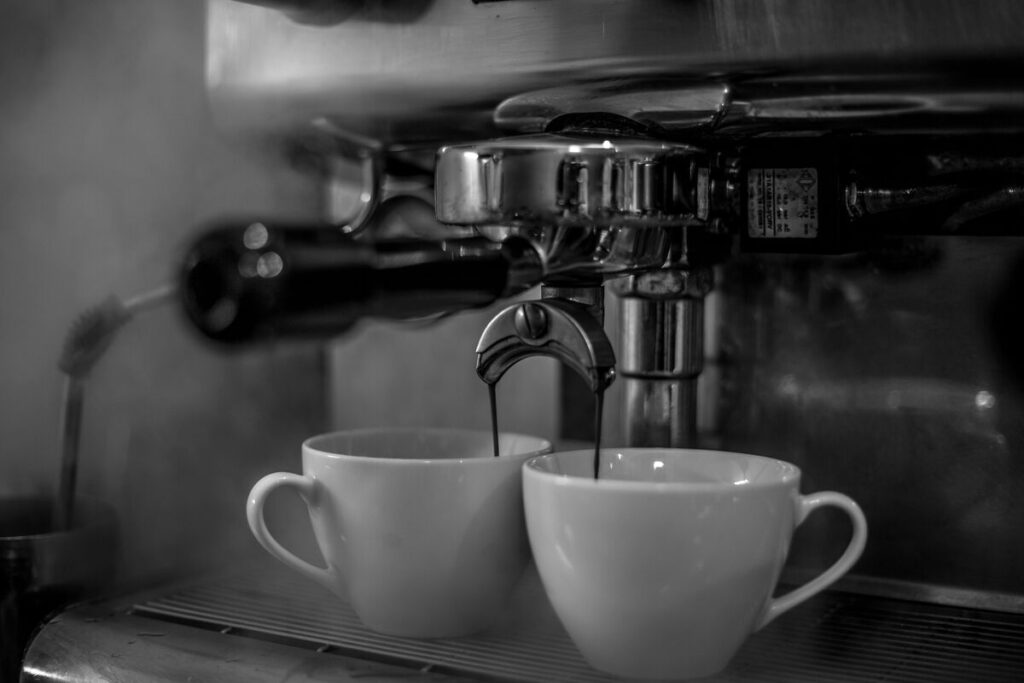
A coffee machine is an appliance designed to brew coffee by combining water with ground coffee beans or coffee grounds using a specific brewing method. Depending on the type of machine, it can make different coffee styles, including espresso, Americano, cappuccino, latte, and regular brewed coffee.
For many people, a coffee machine is a convenient way to enjoy freshly brewed coffee at home without relying on a café. However, coffee machines come in different types, sizes, features, and price ranges, so choosing the right one can sometimes be confusing.
In this guide, we will explain what a coffee machine is, how it works, the different types of coffee machines, their benefits, and what you should consider before buying one.
How Does a Coffee Machine Work?
A coffee machine works by passing hot water through or over coffee grounds to extract the flavor, aroma, and other soluble compounds from the coffee. However, the exact process depends on the type of coffee machine.
Understanding what is a coffee machine can also help you compare the cost of different types and features.
In a typical coffee machine, the basic process involves these steps:
- Adding water: Water is poured into the machine’s water reservoir.
- Heating the water: The machine heats the water to a suitable brewing temperature.
- Adding coffee: Ground coffee is placed into a filter, portafilter, or coffee basket, depending on the machine.
- Brewing: Hot water comes into contact with the coffee grounds and extracts their flavor and aroma.
- Filtering: The brewed coffee passes through a filter that helps separate the coffee grounds from the liquid.
- Serving: The finished coffee flows into a cup, carafe, or other container.
If you are wondering what is a coffee machine and how it works, the basic process is quite simple.
Does Every Coffee Machine Work the Same Way?
No. Different coffee machines use different brewing methods.
For example, a drip coffee maker slowly passes hot water over coffee grounds, while an espresso machine forces hot water through finely ground coffee under pressure. A pod or capsule machine uses pre-packaged coffee capsules and automatically controls much of the brewing process.
This difference in brewing method affects the taste, strength, texture, aroma, and type of coffee you can make.
What Are the Different Types of Coffee Machines?
Coffee machines are available in several types, and each one uses a different brewing method. The right choice depends on the type of coffee you enjoy, how much control you want over the brewing process, and your budget.
Different coffee brewing methods
1. Drip Coffee Maker
A drip coffee maker is one of the simplest types of coffee machines for making regular brewed coffee. It heats water and slowly drips it over ground coffee placed in a filter.
The brewed coffee then collects in a carafe or coffee pot.
Best for: People who enjoy regular black coffee and want to make multiple cups at once.
2. Espresso Machine
An espresso machine uses pressure to force hot water through finely ground coffee. This produces a small, concentrated shot of coffee called espresso.
Many espresso machines also include a steam wand or milk frother, allowing you to prepare drinks such as cappuccino and latte.
Best for: Espresso lovers and people who enjoy café-style coffee at home.
3. Capsule or Pod Coffee Machine
Capsule coffee machines use pre-packaged coffee capsules or pods instead of loose coffee grounds. You simply insert the capsule, add water, and start the machine.
These machines are generally quick and convenient, although capsules can cost more than using regular ground coffee.
Best for: People who want quick and convenient coffee with minimal preparation.
4. Fully Automatic Coffee Machine
A fully automatic coffee machine can handle several parts of the brewing process automatically. Depending on the model, it may grind the beans, measure the coffee, brew the espresso, and even froth milk.
Best for: People who want café-style coffee with minimal manual effort.
5. Manual Coffee Maker
Manual coffee makers require more involvement from the user. Examples include a French press, Moka pot, and pour-over coffee maker.
These methods give you more control over the brewing process but require more effort and attention.
Best for: Coffee enthusiasts who enjoy controlling the brewing process and experimenting with different flavors.
To understand what is a coffee machine, it is also important to know about the different types available for home use.
What Are the Benefits of Using a Coffee Machine?
A coffee machine can make preparing coffee easier, faster, and more convenient. Depending on the type of machine you choose, you can also experiment with different coffee styles and brewing methods.
Once you understand what is a coffee machine, it becomes easier to see how it can make everyday coffee preparation more convenient.
1. Convenient and Easy to Use
One of the biggest advantages of a coffee machine is convenience. Instead of preparing coffee manually, you can simply add water and coffee, select the required settings, and let the machine handle the brewing process.
2. Consistent Taste
A good coffee machine can maintain a consistent brewing temperature, water flow, and brewing time. This helps you prepare coffee with a more consistent taste and strength each time.
3. Saves Time
Coffee machines can significantly reduce preparation time, especially when you use an automatic or capsule machine. Some models can prepare a cup of coffee within just a few minutes.
4. Different Types of Coffee
Depending on the machine, you can prepare different coffee beverages such as:
- Espresso
- Americano
- Cappuccino
- Latte
- Mocha
- Black coffee
Machines with milk-frothing systems offer even more options.
5. Better Control Over Your Coffee
Many coffee machines allow you to control factors such as coffee strength, water quantity, grind size, and brewing time. This can help you adjust your coffee according to your personal taste.
6. Convenient for Multiple Cups
Drip coffee makers and larger coffee machines are particularly useful for families or people who drink several cups of coffee throughout the day. Some models can prepare multiple cups in a single brewing cycle.
7. Can Be More Economical Over Time
Although buying a coffee machine requires an initial investment, making coffee at home can be less expensive than buying café coffee regularly. The overall cost depends on the machine, coffee beans or grounds, and how frequently you use it.
However, not every coffee machine is equally economical. Capsule machines, for example, may have a higher cost per cup compared with machines that use regular ground coffee or coffee beans.
How to Choose the Right Coffee Machine?
Choosing a coffee machine can be confusing because there are many types, features, and price ranges available. The best machine for you depends mainly on what type of coffee you drink, how often you use it, and how much control you want over the brewing process.
Knowing what is a coffee machine and how different models work can help you choose a machine that matches your coffee preferences.
Here are the most important factors to consider before buying a coffee machine.
1. Consider the Type of Coffee You Drink
First, decide what kind of coffee you usually enjoy.
- Regular black coffee: A drip coffee maker can be a good choice.
- Espresso: Choose an espresso machine.
- Cappuccino or latte: Look for an espresso machine with a milk frother or steam wand.
- Quick and convenient coffee: A capsule or pod machine may be suitable.
Choosing the machine based on your preferred coffee style can help you avoid spending money on features you may never use.
2. Consider Your Budget
Coffee machines are available at different prices, from affordable basic models to premium fully automatic machines.
Before buying, decide how much you are comfortable spending. Also consider the ongoing cost of coffee beans, ground coffee, capsules, filters, and maintenance.
3. Check the Capacity
If you usually make coffee for yourself, a small machine may be sufficient. However, if you regularly prepare coffee for your family or several people, choose a machine with a larger water reservoir and suitable brewing capacity.
4. Look at Ease of Use
If you are a beginner, choose a machine with simple controls and straightforward operation.
Fully automatic and capsule machines are generally easier to use, while manual espresso machines require more practice and attention.
5. Check the Milk-Frothing System
If you enjoy cappuccino, latte, or other milk-based coffee drinks, check whether the machine has a steam wand or built-in milk frother.
If you mainly drink black coffee or espresso, a milk-frothing system may not be necessary.
6. Consider Cleaning and Maintenance
Regular cleaning is important for maintaining coffee quality and extending the life of your machine.
Before buying, check whether the removable parts are easy to clean and whether the manufacturer recommends descaling at regular intervals.
7. Check the Size of the Machine
Counter space is another important consideration, especially if you have a small kitchen.
Measure the available space before buying and make sure there is enough room around the machine for filling the water tank, adding coffee, and cleaning it.
8. Check the Warranty and After-Sales Support
Finally, check the warranty period and availability of service support in your area. A reliable warranty can be particularly useful if the machine develops a technical problem.
In short, don’t choose a coffee machine simply because it has more features. Choose one that matches your coffee preferences, budget, available space, and daily usage.
How to Use a Coffee Machine?
Using a coffee machine is generally simple, although the exact process varies depending on the type of machine. Before using it, always check the manufacturer’s instructions because different models may have different settings and operating procedures.
If you know what is a coffee machine and how it works, using one becomes much easier, even if you are a beginner.
For most coffee machines, the basic process is as follows.
Step 1: Add Fresh Water
Fill the water reservoir with fresh, clean water up to the recommended level. Avoid overfilling the tank.
Step 2: Add Coffee
Add the appropriate amount of ground coffee or coffee beans, depending on the type of machine.
For an espresso machine, use properly ground coffee in the portafilter. For a drip coffee maker, place the coffee grounds in the filter basket.
Step 3: Turn On the Machine
Switch on the coffee machine and allow it to heat up. Some machines have an indicator light or display that tells you when they are ready to brew.
Step 4: Start the Brewing Process
Place your cup or carafe under the coffee outlet and start the brewing process.
The machine will heat the water and extract the coffee according to its brewing method.
Step 5: Add Milk if Required
If you are making a cappuccino or latte, you can add steamed or frothed milk after preparing the espresso.
Some automatic coffee machines can perform this step automatically.
Step 6: Serve and Enjoy
Once the brewing process is complete, your coffee is ready to serve. You can adjust the strength, milk, sugar, or other ingredients according to your preference.
Tips for Better Coffee
For better results, keep these simple tips in mind:
- Use fresh coffee beans or freshly ground coffee whenever possible.
- Use clean, fresh water.
- Use the correct grind size for your brewing method.
- Avoid using too much or too little coffee.
- Clean the machine regularly.
- Descale the machine when required.
These simple steps can help you get better-tasting and more consistent coffee from your machine.
How to Clean and Maintain a Coffee Machine?
Regular cleaning and maintenance are important for keeping your coffee machine working properly and maintaining the taste of your coffee. Coffee oils, mineral deposits, and leftover grounds can build up inside the machine over time.
Understanding what is a coffee machine also means knowing how to maintain it properly for consistent performance.
The exact cleaning process depends on the type and model of the machine, but these basic steps are useful for most coffee machines.
1. Clean the Coffee Grounds
After brewing, remove the used coffee grounds from the filter basket or portafilter. Do not leave wet coffee grounds inside the machine for a long time.
2. Wash Removable Parts
Remove and wash parts such as the filter basket, drip tray, water reservoir, and carafe according to the manufacturer’s instructions.
Allow the parts to dry completely before putting them back.
3. Clean the Portafilter
If you use an espresso machine, clean the portafilter and filter basket after every use. Coffee oils can accumulate on these parts and affect the taste of your espresso.
4. Clean the Milk Frother
If your machine has a steam wand or milk frother, clean it immediately after preparing a milk-based drink.
Milk residue can quickly build up and may become difficult to remove if it is left on the frother.
5. Descale the Machine
Minerals from water can gradually build up inside a coffee machine. This is known as limescale.
Descaling removes these mineral deposits and helps the machine heat and brew properly. The frequency of descaling depends on your water quality and the manufacturer’s recommendations.
6. Wipe the Exterior
Use a soft, slightly damp cloth to clean the outside of the machine. Avoid pouring water directly onto the machine or its electrical components.
7. Follow the Manufacturer’s Instructions
Different coffee machines require different cleaning procedures. Always check the user manual before using a cleaning solution or descaling product.
Regular cleaning not only helps maintain coffee quality but can also improve the performance and lifespan of your coffee machine.
Coffee Machine vs. Coffee Maker: What Is the Difference?
The terms coffee machine and coffee maker are often used interchangeably, but they can refer to different types of appliances depending on the context.
A coffee maker generally refers to a machine designed to brew regular coffee, such as a drip coffee maker. It usually works by heating water and passing it over ground coffee.
A coffee machine, on the other hand, is a broader term that can include espresso machines, capsule machines, fully automatic machines, and other appliances that use different brewing methods.
Before comparing the two, it is useful to understand what is a coffee machine and what makes it different from a traditional coffee maker.
Key Differences
| Feature | Coffee Maker | Coffee Machine |
|---|---|---|
| Main purpose | Regular brewed coffee | Various coffee beverages |
| Brewing method | Usually drip brewing | Depends on the machine |
| Espresso | Usually not available | Available with espresso machines |
| Milk frothing | Usually not available | Available on many models |
| Ease of use | Generally simple | Depends on the type |
| Coffee options | Limited | Can offer multiple options |
Which One Should You Choose?
If you mainly want simple, regular black coffee, a drip coffee maker may be enough.
If you want to prepare espresso, cappuccino, latte, or other café-style drinks, an espresso or automatic coffee machine may be a better choice.
So, the right option ultimately depends on your preferred coffee style, budget, and how much control you want over the brewing process.
Common Mistakes to Avoid When Using a Coffee Machine
Even a good coffee machine may not produce great-tasting coffee if it is used incorrectly. Beginners often make a few simple mistakes that can affect the taste, aroma, strength, and consistency of their coffee.
Here are some common mistakes to avoid.
1. Using Stale Coffee
Coffee loses its freshness over time. Using old or stale coffee grounds can result in a flat or less flavorful cup.
Whenever possible, use freshly roasted beans and grind them shortly before brewing.
2. Using the Wrong Grind Size
The grind size should match your brewing method.
For example, espresso generally requires a fine grind, while drip coffee typically works better with a medium grind. Using an unsuitable grind can result in weak, bitter, or poorly extracted coffee.
3. Using Too Much or Too Little Coffee
The amount of coffee used affects the strength and taste of the final drink.
Using too little coffee can make the drink weak, while using too much can make it overly strong or bitter. Follow the recommended coffee-to-water ratio and adjust it according to your preference.
4. Using Poor-Quality Water
Water makes up a large part of a cup of coffee, so its quality matters.
If your tap water has a strong smell, taste, or excessive mineral content, it can affect the flavor of your coffee. Using clean, filtered water can often produce better results.
5. Not Cleaning the Machine Regularly
Coffee oils and mineral deposits can accumulate inside the machine over time.
A dirty machine can affect both coffee flavor and machine performance, so regular cleaning and descaling are important.
6. Ignoring the Brewing Temperature
Water temperature plays an important role in coffee extraction. If the water is not hot enough, the coffee may taste weak or under-extracted. Excessively hot water can also negatively affect the flavor.
Most coffee machines are designed to manage the brewing temperature automatically.
7. Using the Wrong Coffee for the Machine
Not every coffee product is suitable for every machine.
For example, an espresso machine generally requires appropriately ground coffee, while a capsule machine requires compatible capsules. Always check the machine’s requirements before buying coffee.
8. Leaving Coffee in the Machine for Too Long
Freshly brewed coffee tastes best when consumed soon after brewing. Leaving coffee sitting in a hot carafe or on a warming plate for a long time can cause the flavor to become stale or bitter.
9. Not Preheating the Machine
Some espresso machines perform better when the machine and portafilter are properly heated before brewing.
Preheating can help maintain a more consistent brewing temperature and improve espresso extraction.
10. Not Following the User Manual
Every coffee machine is slightly different. Using incorrect settings, cleaning methods, or accessories can affect performance.
Always read the manufacturer’s instructions before using a new machine.
Avoiding these common mistakes can help you get better-tasting coffee and keep your coffee machine working efficiently for longer.
How Much Does a Coffee Machine Cost?
The price of a coffee machine can vary significantly depending on its type, features, capacity, build quality, and brand. You do not necessarily need an expensive machine to make good coffee at home.
Basic Coffee Machines
Basic drip coffee makers and simple manual machines are generally among the more affordable options. They are suitable for people who mainly want regular coffee without advanced features.
Mid-Range Coffee Machines
Mid-range machines may offer additional features such as:
- Better brewing controls
- Larger water tanks
- Milk frothers
- Multiple brewing options
- Improved build quality
These machines can be suitable for regular home use.
Premium Coffee Machines
Premium and fully automatic machines can include advanced features such as:
- Built-in coffee grinders
- Automatic milk frothing
- Programmable settings
- Digital displays
- Adjustable coffee strength
- Multiple beverage options
They are generally designed for people who want greater convenience and more control over their coffee.
Don’t Look at Price Alone
When choosing a coffee machine, the cheapest option is not always the best, and the most expensive machine may offer features you don’t actually need.
Consider the type of coffee you drink, frequency of use, maintenance requirements, coffee cost, warranty, and available kitchen space before making a purchase.
For home users, the best coffee machine is usually the one that provides the features they actually need at a price that fits their budget.
Frequently Asked Questions About Coffee Machines
1.What is a coffee machine used for?
A coffee machine is used to brew coffee from ground coffee or coffee beans using different brewing methods. Depending on the type, it can prepare regular coffee, espresso, cappuccino, latte, and other coffee beverages.
2. Which type of coffee machine is best for home use?
The best coffee machine depends on your preferences. A drip coffee maker is suitable for regular coffee, while an espresso machine is better for espresso, cappuccino, and latte. Beginners may prefer a simple and easy-to-use model.
3. Can a coffee machine make espresso?
Yes, but only machines designed for espresso brewing can make a proper espresso. Espresso machines use pressure to force hot water through finely ground coffee.
4. Can I use regular coffee powder in a coffee machine?
It depends on the machine. Drip coffee makers can generally use regular ground coffee, while espresso machines require coffee ground appropriately for espresso brewing. Capsule machines require compatible capsules or pods.what is a coffee machine and how it works
5. How often should I clean my coffee machine?
Basic cleaning should generally be done regularly, especially after brewing. Deeper cleaning and descaling should be performed according to the manufacturer’s recommendations and the hardness of your water.what is a coffee machine and how it works
6. Is a coffee machine worth buying?
A coffee machine can be worth buying if you regularly drink coffee and want the convenience of making it at home. It can also help you experiment with different brewing methods and coffee styles.what is a coffee machine and how it works
7. How long does a coffee machine last?
The lifespan depends on the machine’s quality, frequency of use, cleaning, and maintenance. Proper cleaning and regular descaling can help extend its useful life.
8. Does a coffee machine use a lot of electricity?
Most home coffee machines do not consume a large amount of electricity during a single brewing cycle. However, actual energy consumption depends on the machine’s power rating, brewing time, heating system, and how frequently you use it.
9. What is the difference between an espresso machine and a coffee maker?
An espresso machine uses pressure to brew a concentrated espresso, while a traditional coffee maker generally uses drip or similar brewing methods to make regular brewed coffee. The resulting coffee has different strength, texture, and flavor characteristics.
10. Can beginners use an espresso machine?
Yes. Many espresso machines are designed for beginners. However, manual espresso machines require some practice to learn the correct grind size, coffee dose, tamping pressure, and extraction time. Automatic machines are generally easier for beginners.
Final Thoughts
A coffee machine can make preparing coffee at home more convenient, consistent, and enjoyable. From simple drip coffee makers to espresso and fully automatic machines, there are options for almost every type of coffee drinker.
The best choice depends on your preferred coffee style, budget, available space, frequency of use, and desired level of convenience. You don’t necessarily need the most expensive machine—choosing one that matches your actual needs is more important.
Before buying, consider the brewing method, capacity, ease of use, cleaning requirements, milk-frothing options, warranty, and long-term running costs.
With the right coffee machine and good-quality coffee, you can enjoy a fresh cup of coffee at home whenever you want.
Now that you know what is a coffee machine, you can choose the right type based on your preferred coffee, budget, and daily requirements.
2 thoughts on “What Is a Coffee Machine? How It Works, Types, Benefits & How to Choose One”