
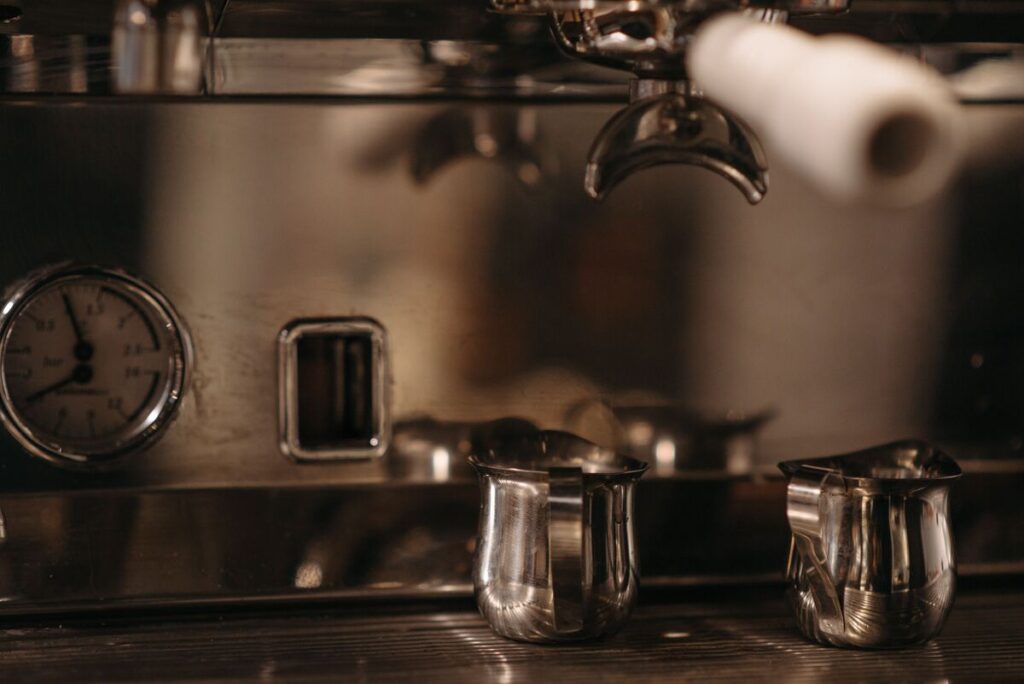
If you are planning to make coffee at home, you may have come across the terms coffee machine and coffee maker. Although these terms are sometimes used interchangeably, they can refer to different types of appliances and brewing methods.
Understanding the coffee machine vs coffee maker difference is important because both appliances are designed for different coffee brewing needs.
A coffee machine can range from a simple espresso machine to a fully automatic model that grinds coffee beans, brews espresso, and froths milk. A coffee maker, on the other hand, usually refers to an appliance designed to brew regular coffee, such as a drip coffee maker.
So, what is the difference between a coffee machine and a coffee maker? Which one is better for home use, and which one should you buy?
In this guide, we will compare coffee machines vs coffee makers based on their brewing method, coffee types, ease of use, price, maintenance, and overall performance. By the end, you should have a clearer idea of which option is right for your coffee-drinking habits.
Best Coffee Machine for Cappuccino and Latte
Coffee Machine vs Coffee Maker: Quick Comparison
Before looking at the differences in detail, here is a quick comparison:
| Feature | Coffee Machine | Coffee Maker |
|---|---|---|
| Main purpose | Espresso and specialty coffee | Regular brewed coffee |
| Brewing method | Pressure, capsules, or automatic brewing | Usually drip brewing |
| Coffee types | Espresso, Americano, latte, cappuccino, etc. | Mainly brewed/black coffee |
| Ease of use | Depends on the model | Generally simple |
| Price | Wide range, often higher | Usually more affordable |
| Milk frothing | Available on many models | Usually not available |
| Best for | Specialty coffee lovers | Everyday coffee drinkers |
| Maintenance | Can require more cleaning | Generally easier |
This coffee machine vs coffee maker comparison will help you understand which appliance better suits your daily coffee needs.
The exact features can vary considerably from one model to another, so it is important to check the specifications before buying.
This coffee machine vs coffee maker comparison gives you a quick overview, but there are several important differences you should know before buying.
What Is a Coffee Machine?
A coffee machine is an appliance designed to prepare coffee using a specific brewing method. Depending on the type, it may use pressure, hot water, coffee capsules, or an automatic brewing system to extract flavor from coffee grounds or beans.
Espresso machines are one of the most common types of coffee machines. They force hot water through finely ground coffee under pressure to produce a concentrated shot of espresso.
More advanced machines can offer additional features such as:
- Built-in coffee grinders
- Adjustable coffee strength
- Programmable brewing settings
- Milk frothers or steam wands
- Automatic milk preparation
- Multiple beverage options
What Can You Make with a Coffee Machine?
Depending on the model, a coffee machine can prepare several types of coffee, including:
- Espresso
- Americano
- Cappuccino
- Latte
- Mocha
- Espresso-based milk drinks
For example, an espresso machine with a steam wand can be used to prepare espresso first and then add steamed or frothed milk for a cappuccino or latte.
Who Should Choose a Coffee Machine?
A coffee machine may be a better choice if you:
- Enjoy espresso or café-style coffee.
- Want to make cappuccino or latte at home.
- Prefer more control over your coffee.
- Want to experiment with different brewing settings.
- Don’t mind spending some time learning and maintaining the machine.
However, if you simply want a straightforward cup of regular brewed coffee, a traditional coffee maker may be a more practical option.
What Is a Coffee Maker?
A coffee maker is a kitchen appliance primarily designed to brew regular coffee. The term is commonly used for drip coffee makers, which heat water and pass it slowly through ground coffee placed in a filter.
The brewed coffee then collects in a carafe or pot, making this type of appliance particularly convenient when you want to prepare several cups at once.
How Does a Coffee Maker Work?
A typical drip coffee maker follows a relatively simple process:
- Water is added to the water reservoir.
- The machine heats the water.
- Hot water is distributed over the coffee grounds.
- The water extracts the flavor and aroma from the coffee.
- The brewed coffee passes through the filter.
- The coffee collects in the carafe.
Because the brewing process is largely automatic, drip coffee makers are generally easy to operate.
What Type of Coffee Can You Make?
A traditional coffee maker is mainly designed for regular brewed coffee. It does not normally produce true espresso because it does not use the high-pressure extraction process required for espresso.
You can, however, customize your coffee by changing the:
- Coffee-to-water ratio
- Coffee grind size
- Type of coffee beans
- Brewing quantity
Who Should Choose a Coffee Maker?
A coffee maker may be a better choice if you:
- Mainly drink regular black coffee.
- Want to make multiple cups at once.
- Prefer a simple brewing process.
- Want an affordable coffee-making appliance.
- Don’t need espresso or milk-based coffee drinks.
For someone who wants simple, everyday coffee without complicated settings, a drip coffee maker can be a practical choice.
A coffee machine is an appliance designed to prepare coffee using different brewing methods. Learn more about what a coffee machine is and how it works.
Coffee Machine vs Coffee Maker: Key Differences
Although both appliances are used to prepare coffee, their brewing methods, capabilities, and intended uses can be quite different. The biggest difference is that a coffee machine often focuses on espresso and specialty beverages, while a traditional coffee maker is generally designed for regular brewed coffee.
Here are the key differences to consider.
1. Brewing Method
A coffee machine can use different brewing technologies depending on the model. For example, an espresso machine uses pressure to force hot water through finely ground coffee.
A traditional drip coffee maker uses gravity. Hot water is distributed over coffee grounds and then passes through them into a carafe.
The brewing method is one of the most important differences in a coffee machine vs coffee maker comparison.
In simple terms:
- Coffee machine → often uses pressure or specialized brewing systems.
- Coffee maker → usually uses drip brewing.
2. Types of Coffee
This is one of the biggest differences.
A suitable coffee machine can make drinks such as:
- Espresso
- Americano
- Cappuccino
- Latte
- Mocha
A traditional coffee maker is primarily designed for regular brewed coffee.
If you enjoy café-style espresso drinks, a coffee machine offers more possibilities. If you mainly drink black coffee, a coffee maker may be all you need.
3. Ease of Use
A basic coffee maker is generally very easy to operate. Add water and coffee grounds, switch it on, and allow it to brew.
Coffee machines can range from very simple to highly sophisticated. A manual espresso machine may require you to grind the coffee, measure the dose, tamp the grounds, and control the extraction.
Fully automatic coffee machines are easier to operate but usually cost more.
4. Price
Coffee makers are generally available at relatively affordable prices, particularly basic drip models.
Coffee machines have a much wider price range. Simple espresso machines can be reasonably affordable, while premium automatic machines with built-in grinders and milk systems can be significantly more expensive.
Price is another important factor when comparing a coffee machine vs coffee maker.
Therefore, your budget should be considered alongside the type of coffee you actually want to prepare.
If your budget is around ₹3000, see our recommendations for the best coffee makers under ₹3000.
5. Milk Frothing
Many espresso machines include a steam wand or milk-frothing system, which allows you to prepare cappuccino, latte, and other milk-based beverages.
Traditional drip coffee makers generally do not include this feature.
If milk-based coffee is an important part of your daily routine, this difference can be significant.
6. Brewing Capacity
Traditional coffee makers are often designed to prepare several cups in one brewing cycle. This makes them convenient for families or households where multiple people drink coffee.
Espresso machines generally prepare smaller quantities at a time, although some larger automatic machines can make multiple beverages quickly.
7. Control Over Coffee
Coffee machines, particularly manual espresso machines, can give you greater control over factors such as:
- Coffee dose
- Grind size
- Water quantity
- Brewing time
- Extraction
- Milk texture
Coffee makers generally offer fewer controls, although some models allow you to adjust brew strength, quantity, or brewing time.
8. Cleaning and Maintenance
A basic coffee maker usually has fewer components and is relatively simple to clean.
Espresso and automatic coffee machines may require more maintenance because they can have additional components such as portafilters, steam wands, grinders, milk systems, and internal brewing mechanisms.
Therefore, if simplicity is your priority, a coffee maker may be easier to maintain. If you want more beverage options, you may be willing to accept the additional maintenance of a coffee machine.
Coffee Machine vs Coffee Maker: Which One Is Better for Home?
There is no single answer to which is better because it depends on what type of coffee you drink, how often you make it, your budget, and how much convenience you want.
Choose a Coffee Machine If:
A coffee machine may be the better option if you:
- Enjoy espresso and espresso-based drinks.
- Like cappuccino, latte, or Americano.
- Want café-style coffee at home.
- Prefer greater control over brewing.
- Want features such as a grinder or milk frother.
- Don’t mind spending more time on cleaning and maintenance.
For example, if you regularly enjoy cappuccino or latte, an espresso machine with a milk-frothing system can give you more flexibility than a traditional coffee maker.
Different Coffee Brewing Methods
Choose a Coffee Maker If:
A coffee maker may be more suitable if you:
- Mainly drink regular brewed coffee.
- Want a simple brewing process.
- Need several cups at once.
- Have a limited budget.
- Prefer easier cleaning and maintenance.
- Don’t need espresso or specialty coffee drinks.
A drip coffee maker can be particularly convenient for households where multiple people drink regular coffee throughout the day.
Which Is Better for Beginners?
For a beginner who primarily wants simple black coffee, a basic coffee maker is usually easier to learn and operate.
However, if you specifically want to learn how to make espresso, cappuccino, or latte, starting with an entry-level espresso machine can make more sense.
If you are looking for an affordable option, you can also check our guide to the best coffee makers under ₹2000 in India.
Best Coffee Maker Under ₹2000 in India
Quick Decision
Choose a coffee machine if:
You want variety, espresso, milk-based drinks, and more control.
Choose a coffee maker if:
You want simple, affordable, and convenient regular coffee.
Ultimately, the best choice is the one that matches your daily coffee habits, rather than simply choosing the appliance with the most features.
Pros and Cons of a Coffee Machine
A coffee machine can be a great choice for people who enjoy different coffee beverages, but it also comes with some disadvantages. Understanding both sides can help you decide whether it is right for your home.
Pros of a Coffee Machine
1. More Coffee Options
Depending on the model, you can prepare espresso, Americano, cappuccino, latte, and other specialty drinks.
2. Better Control
Many machines allow you to adjust coffee strength, quantity, grind size, and other brewing settings.
3. Café-Style Coffee at Home
An espresso machine with a good brewing system and milk frother can help you prepare café-style drinks without visiting a coffee shop.
4. Advanced Convenience
Fully automatic models can perform several tasks automatically, including grinding beans, brewing coffee, and frothing milk.
5. Suitable for Coffee Enthusiasts
Coffee machines provide more opportunities to experiment with different beans, grind sizes, and brewing techniques.
Cons of a Coffee Machine
1. Higher Initial Cost
Some coffee machines can be considerably more expensive than basic coffee makers.
2. More Maintenance
Espresso and automatic machines may require regular cleaning, descaling, and maintenance.
3. Learning Curve
Manual espresso machines can take time to learn, particularly when it comes to grinding, dosing, tamping, and extraction.
4. Takes More Counter Space
Some machines, especially those with built-in grinders and milk systems, can be relatively large.
5. Additional Running Costs
Depending on the machine, you may need to purchase coffee beans, filters, cleaning products, or other accessories regularly.
Pros and Cons of a Coffee Maker
A coffee maker, especially a traditional drip model, is designed to keep the coffee-making process simple. It can be a practical option for people who mainly drink regular brewed coffee.
Pros of a Coffee Maker
1. Simple to Use
Most drip coffee makers require only water, coffee grounds, and a filter. Once everything is added, the machine handles the brewing automatically.
2. Generally Affordable
Basic coffee makers are often less expensive than espresso and fully automatic coffee machines, making them accessible to beginners.
3. Good for Multiple Cups
Many coffee makers can brew several cups in a single cycle, which is useful for families, couples, or people who drink multiple cups during the day.
4. Easy to Clean
Traditional coffee makers usually have fewer components than espresso machines, so routine cleaning is generally straightforward.
5. Consistent Brewing
Once you use the same coffee-to-water ratio and settings, a coffee maker can produce a relatively consistent cup of coffee.
Cons of a Coffee Maker
1. Limited Coffee Options
A traditional drip coffee maker is mainly designed for regular brewed coffee. It usually cannot prepare a true espresso, cappuccino, or latte by itself.
2. Less Brewing Control
Compared with a manual espresso machine, there are usually fewer ways to control the extraction process.
3. Takes Longer for a Single Cup
If you only want one small cup, brewing a full pot may be less convenient than using a single-serve or espresso machine.
4. Requires Coffee Filters
Many drip coffee makers use paper or reusable filters, which means you need to clean or replace the filter regularly.
5. Limited Milk-Based Drinks
Traditional coffee makers generally don’t have built-in steam wands or milk-frothing systems, so making café-style milk drinks requires additional equipment.
Coffee Machine vs Coffee Maker: Which One Is More Affordable?
Price is an important factor when choosing between a coffee machine and a coffee maker. However, the purchase price is not the only cost you should consider. Coffee, accessories, electricity, cleaning products, and maintenance can also affect the overall cost over time.
Initial Purchase Cost
A basic drip coffee maker is generally more affordable because it has a relatively simple brewing system and fewer components.
Coffee machines have a much wider price range. A basic espresso machine may be reasonably priced, while advanced automatic machines with built-in grinders, programmable settings, and milk systems can cost significantly more.
Cost Per Cup
The cost of each cup also depends on the type of coffee you use.
A drip coffee maker usually works with regular ground coffee, which can make the cost per cup relatively predictable.
Espresso machines can also be economical when used with coffee beans or ground coffee. However, capsule machines may have a higher cost per serving because you need to purchase individual capsules.
Maintenance Costs
A simple coffee maker usually requires basic cleaning and occasional replacement of filters.
Coffee machines can have additional maintenance costs, especially models with:
- Built-in grinders
- Milk-frothing systems
- Water filters
- Automatic cleaning systems
- More complex internal components
Which Is More Economical?
If your main goal is affordable regular coffee, a basic coffee maker is generally the simpler choice.
If you want espresso and different café-style drinks, a coffee machine may provide better value despite its higher initial cost.
The best choice is therefore not necessarily the cheapest appliance. Consider how often you use it and what type of coffee you drink before deciding.
Coffee Machine vs Coffee Maker: Which One Should You Buy?
Choosing between a coffee machine and a coffee maker ultimately comes down to your coffee preferences, budget, convenience, and daily routine.
If you mainly enjoy regular brewed black coffee, a drip coffee maker is usually the more practical choice. It is simple to use, generally affordable, and can prepare multiple cups at once.
On the other hand, if you enjoy espresso, cappuccino, latte, or Americano, a coffee machine—particularly an espresso or automatic model—may be a better option. It offers more versatility and, depending on the model, greater control over the brewing process.
Choose a Coffee Maker If You:
- Mainly drink regular brewed coffee.
- Want a simple appliance.
- Need to prepare multiple cups.
- Have a limited budget.
- Prefer easy cleaning and maintenance.
Choose a Coffee Machine If You:
- Enjoy espresso-based beverages.
- Want to make cappuccino or latte at home.
- Want more control over coffee preparation.
- Prefer additional features such as grinding or milk frothing.
- Are willing to spend more on the machine and maintenance.
Final Decision
There is no universally “better” option. A coffee maker is better for someone who values simplicity and regular brewed coffee, while a coffee machine is better for someone who wants greater variety and café-style beverages.
Choose the appliance that matches your actual coffee habits rather than paying extra for features you may never use.
These are some of the most common questions people have about coffee machine vs coffee maker.
Frequently Asked Questions
1. Is a coffee machine the same as a coffee maker?
Not always. The terms are sometimes used interchangeably, but a traditional coffee maker usually refers to an appliance that prepares regular brewed coffee, while a coffee machine can refer to equipment designed for espresso, specialty drinks, or more advanced brewing.
2. Which is better, a coffee machine or a coffee maker?
It depends on your needs. A coffee maker is generally better for simple regular coffee, while a coffee machine is more suitable if you want espresso, cappuccino, latte, or other specialty beverages.
3. Can a coffee maker make espresso?
A traditional drip coffee maker cannot make true espresso because espresso requires a specific pressure-based extraction process. You need a suitable espresso machine to prepare genuine espresso.
4. Is a coffee machine worth buying for home use?
It can be worth buying if you regularly drink coffee and want to prepare different beverages at home. However, if you only drink regular black coffee, a simple coffee maker may be sufficient.
5. Which is easier to use: a coffee machine or a coffee maker?
A basic drip coffee maker is generally easier to use. Espresso machines, particularly manual models, can require some practice. Fully automatic coffee machines are easier to operate but tend to be more expensive.
6. Which one is cheaper to maintain?
A basic coffee maker generally has lower maintenance requirements because it has fewer components. Espresso and automatic coffee machines may require more frequent cleaning and descaling.
7. Can a coffee machine make regular coffee?
Yes, depending on the type. Some automatic and espresso machines can prepare an Americano or other coffee drinks that are similar to regular black coffee. However, a drip coffee maker is specifically designed for traditional brewed coffee.
8. Which is better for beginners?
If you are new to home coffee brewing and mainly drink regular coffee, a drip coffee maker is usually the simplest starting point. If you specifically want espresso-based drinks, an entry-level espresso machine can be a better choice.
9. Do coffee machines use coffee beans or ground coffee?
It depends on the model. Some machines use ground coffee, some use coffee beans with a built-in grinder, and capsule machines use pre-packaged coffee capsules or pods.
10. Can I make cappuccino with a coffee maker?
A traditional drip coffee maker does not normally make cappuccino by itself. Cappuccino requires espresso and frothed milk, so an espresso machine with a steam wand or milk frother is generally more suitable.
Final Verdict
The choice between a coffee machine and a coffee maker depends mainly on the type of coffee you enjoy and how much control or convenience you want.
A coffee maker is a better choice if you mainly drink regular brewed coffee, want a simple appliance, need multiple cups, and prefer lower upfront and maintenance costs.
A coffee machine is a better choice if you enjoy espresso, cappuccino, latte, Americano, or other specialty beverages and want more flexibility in how your coffee is prepared.
Quick Recommendation
| If you want… | Better choice |
|---|---|
| Regular black coffee | Coffee Maker |
| Espresso | Coffee Machine |
| Cappuccino or Latte | Coffee Machine |
| Multiple cups at once | Coffee Maker |
| Simple operation | Coffee Maker |
| More coffee varieties | Coffee Machine |
| More brewing control | Coffee Machine |
| Lower initial cost | Coffee Maker |
| Café-style drinks at home | Coffee Machine |
Ultimately, neither option is universally better. The right choice is the one that fits your coffee preferences, budget, kitchen space, and daily routine.
Before buying, compare the machine’s brewing method, capacity, features, cleaning requirements, warranty, and running cost rather than choosing based only on price.
In the end, the coffee machine vs coffee maker choice depends on the type of coffee you prefer and your budget.